1986 Edition
CIA World Factbook 1986 (Internet Archive)
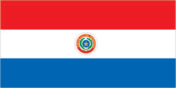
Geography
Agriculture
main crops — oilseeds, soybeans, cotton, wheat, manioc, sweet potatoes, tobacco, corn, rice, sugarcane; selfsufficient in most foods
Area
406,750 km2; the size of California; 52% forest; 24% meadow and pasture; 22% urban, waste, and other; 2% crop
Branches
President heads executive; bicameral legislature (Senate, Chamber of Deputies); judiciary headed by Supreme Court
Capital
Asuncion
Communists
Oscar Creydt faction and Miguel Angel Soler faction (both illegal); est. 3,000 to 4,000 party members and sympathizers in Paraguay, very few are hard core; party in exile is small and deeply divided
Elections
President and Congress elected together every five years (last election February 1983) Political parties and leaders: Colorado Party, Juan Ramon Chaves; Authentic Radical Liberal Party (PLRA), Miguel Angel Martinez Yaryes; Christian Christian Democratic Party (PDC), Alfredo Rojas Leon; Febrerista Revolutionary Party (PRF), Fernando Vera; Liberal Party (PL), Joaquin Burgos; Popular Colorado Movement (MOPOCO), Waldino Lovera; Radical Liberal Party (PLR), Emilio Forestieri
Electric power
1,675,000 kW capacity (1985); 1.1 18 billion kWh produced (1985), 280 kWh per capita
Ethnic divisions
95% mestizo (Spanish and Indian), 5% white and Indian
Exports
$361.3 million (f.o.b., 1984); cotton, oilseeds, meat products, tobacco, timber, coffee, essential oils, tung oil
GDP
$4.8 billion (1985), $1,020 per capita, depending on exchange rate (1984); 7% public consumption; 66% private consumption (1983), 28% gross domestic investment; real growth rate 1985, 4.5%
Government leader
Gen. (Ret.) Alfredo STROESSNER, President (since May 1954)
Imports
$649.1 million (f.o.b., 1984); fuels and lubricants, machinery and motors, motor vehicles, beverages and tobacco, foodstuffs
Infant mortality rate
64/1,000(1981)
Laborforce
1.1 million (1983 est); 44% agriculture; 34% industry and commerce, 18% services, 4% government; unemployment rate 15% (1984)
Land boundaries
3,444 km People
Language
Spanish (official) and Guarani
Legal system
based on Argentine codes, Roman law, and French codes; constitution promulgated 1967; judicial review of legislative acts in Supreme Court; legal education at National University of Asuncion and Catholic University of Our Lady of the Assumption; does not accept compulsory ICJ jurisdiction <
Life expectancy
68
Literacy
81%
Major industries
meat packing, oilseed crushing, milling, brewing, textiles, light consumer goods, cement, construction
Major trade partners
exports — 21% Brazil, 14% Netherlands, 12% Argentina, 12% FRG, 9% US, 7% Switzerland, 2% Japan; imports— 28% Brazil, 19% Argentina, 7% FRG, 6% US, 5% Japan, 5% UK (1983)
Member of
FAO, G-77, IADB, IAEA, IBRD, ICAO, ICO, IDA, IDE— Inter-American Development Bank, IFAD, IFC, ILO, IMF, INTELSAT, INTERPOL, IPU, IRC, ITU, LAIA, OAS, SELA, UN, UNESCO, UPU, WHO, WMO, WSG Economy
National holiday
Independence Day, 14 May
Nationality
noun — Paraguayan(s); adjective— Paraguayan
Natural resources
iron, manganese, limestone, hydroelectric power, forests
Official name
Republic of Paraguay
Organized labor
about 5% of labor force Government
Other political or pressure groups
Popular Colorado Movement (MoPoCo) led by Epifanio Mendez, in exile; National Accord includes MoPoCo and Febrerista, Radical Liberal, and Christian Democratic Parties
Political subdivisions
19 departments and the national capital
Population
4, 11 9,000 (July 1986), average annual growth rate 3.2%
Religion
97% Roman Catholic; Mennonite and other Protestant denominations
Suffrage
universal; compulsory between ages of 18 and 60
Type
republic; under authoritarian rule
Voting strength
(February 1983 general election) 90% Colorado Party, 5.6% Radical Liberal Party, 3.2% Liberal Party; Febrerista Party boycotted elections