1988 Edition
CIA World Factbook 1988 (Internet Archive)
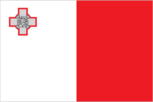
Geography
Climate
Mediterranean with mild, rainy winters and hot, dry summers
Coastline
140 km
Comparative area
about twice the size of Washington, D.C.
Contiguous zone
24 nm
Continental shelf
200 meters or to depth of exploitation
Environment
numerous bays provide good harbors
Exclusive fishing zone
25 nm
Infant mortality rate
11.2/1,000 (1984)
Labor force
121,686 (1984); 30% services (except government), 24% manufacturing, 21% government (except job corps), 8% construction, 5% utilities and drydocks, 4% agriculture; 8.7% registered unemployed (August 1986)
Land use
38% arable land; 3% permanent crops; 0% meadows and pastures; 0% forest and woodland; 59% other; includes 3% irrigated
Language
Maltese and English (official)
Life expectancy
73
Literacy
83%
Member of
AfDB, APC, CEAO, EGA, ECOWAS, FAO, G-77, GATT (de facto), IAEA, IBRD, ICAO, IDA, IDE— Islamic Development Bank, IFAD, IFC, ILO, IMF, INTELSAT, INTERPOL, IRC, ITU, Niger River Commission, NAM, OAU, QIC, OMVS (Organization for the Development of the Senegal River Valley), UN, UNESCO, UPU, WHO, WMO, WTO
Organized labor
about 40% of labor force
Special notes
strategic location in central Mediterranean, 93 km south of Sicily, 290 km north of Libya
Terrain
mostly low, rocky, flat to dissected plains; many coastal cliffs
Territorial sea
12 nm
Total area
320 km2; land area: 320 km2
People and Society
Ethnic divisions
mixture of Arab, Sicilian, Norman, Spanish, Italian, English
Nationality
noun — Maltese (sing, and pi.); adjective — Maltese
Population
361,704 (July 1987), average annual growth rate 0.66%
Religion
98% Roman Catholic
Government
Administrative divisions
2 main populated islands, Malta and Gozo, divided into 13 electoral districts (divisions)
Branches
executive, consisting of Prime Minister and Cabinet; unicameral legislature (65-member House of Representatives); independent judiciary
Capital
Valletta
Communists
less than 100 (est.)
Elections
at the discretion of the Prime Minister, but must be held before the expiration of a five-year electoral mandate; last election December 1981 Political parties and leaders: Nationalist Party, Edward Fenech Adami; Malta Labor Party, Karmenu Mifsud Bonnici
Government leaders
Agatha BARBARA, President (since February 1982); Karmenu MIFSUD BONNICI, Prime Minister (since December 1984)
Legal system
based on English common law; constitution adopted 1961, came into force 1964; has accepted compulsory ICJ jurisdiction, with reservations
Member of
Commonwealth, Council of Europe, FAO, G-77, GATT, IBRD, ICAO, IFAD, ILO, IMF, IMO, INTERPOL, ITU, IWC— International Wheat Council, NAM, UN, UNDP, UNESCO, UNICEF, UPU, WHO, WIPO, WMO
National holiday
Freedom Day, 31 March
Official name
Republic of Malta
Suffrage
universal over age 18; registration required
Type
parliamentary democracy, independent republic within the Commonwealth since December 1974
Voting strength
(1981 election) House of Representatives— Labor, 34 seats (49% of the vote); Nationalist, 31 seats (51% of the vote)
Economy
Agriculture
- millet, sorghum, rice, corn, peanuts; cash crops — peanuts, cotton, livestock
- overall, 20% self-sufficient; main products — potatoes, cauliflower, grapes, wheat, barley, tomatoes, citrus, cut flowers, green peppers, hogs, poultry, eggs; generally adequate supplies of vegetables, poultry, milk, and pork products; seasonal or periodic shortages in grain, animal fodder, fruits, other basic foodstuffs
Budget
revenues, $475 million; expenditures, $486 million (1984 est.)
Electric power
- 92,000 kW capacity; 161 million kWh produced, 20 kWh per capita (1986)
- 217,000 kW capacity; 835 million kWh produced, 2,360 kWh per capita (1986)
Exports
- $174.5 million (f.o.b., 1985); livestock, peanuts, dried fish, cotton, skins
- $399.8 million (f.o.b., 1985); clothing, textiles, ships, printed matter -
Fiscal year
1 April-31 March
Fishing
catch 33,000 tons (1983 est.)
GDP
- $1.1 billion, $150 per capita (1983); 4.4% annual real growth rate (1982)
- $1.4 billion, $3,920 per capita; 68.9% private consumption, 27.4% gross investment; 17.4% government consumption, — 15.2% net foreign sector; change in stocks 1.0%; 3.1% real GDP growth (1985)
Imports
- $294.6 million (f.o.b., 1985); textiles, vehicles, petroleum products, machinery, sugar, cereals
- $756.7 million (c.i.f., 1985)
Major industries
- small local consumer goods and processing
- tourism, ship repair yard, clothing, building industry, food manufacturing, textiles
Major trade partners
- mostly franc zone and Western Europe; also with USSR,
- 74% EC (24% Italy, 22% FRG, 17% UK); 6% US
Monetary conversion rate
2.62 Maltese lira=US$l (November 1986)
Natural resources
- gold, phosphates, kaolin, salt, limestone; bauxite, iron ore, manganese, lithium, and uranium deposits are known or suspected but not exploited
- limestone, salt
Shortages
most consumer and industrial needs (fuels and raw materials) must be imported
Communications
Airfields
1 total, 1 usable with permanent-surface runways 2,440-3,659 m
Branches
Armed Forces, Police, Task Force, Paramilitary Dejima Force
Civil air
8 major transport aircraft
Highways
1,291 km total; 1,179 km paved (asphalt), 77 km crushed stone or gravel, 35 km improved and unimproved earth
Military budget
for fiscal year ending 31 December 1984, $12.2 million; about 2.5% of central government budget
Military manpower
males 15-49, 98,000; 79,000 fit for military service
Ports
2 major (Valletta, Marsaxlokk is under development), 1 secondary, 1 minor
Telecommunications
modern automatic system centered in Valletta; 125,000 telephones (34.6 per 100 popl.); 7 AM, 4 FM, 2 TV stations; 1 coaxial submarine cable Defense Forces