2019 Edition
CIA World Factbook 2019 Archive (Wayback Machine)
Introduction
Background
The US annexed Wake Island in 1899 for a cable station. An important air and naval base was constructed in 1940-41. In December 1941, the island was captured by the Japanese and held until the end of World War II. In subsequent years, Wake became a stopover and refueling site for military and commercial aircraft transiting the Pacific. Since 1974, the island's airstrip has been used by the US military, as well as for emergency landings. Operations on the island were temporarily suspended and all personnel evacuated in 2006 with the approach of super typhoon IOKE (category 5), but resultant damage was comparatively minor. A US Air Force repair team restored full capability to the airfield and facilities, and the island remains a vital strategic link in the Pacific region.
Geography
Area
- Land
- 6.5 sq km
- Total
- 6.5 sq km
- Water
- 0 sq km
Area Comparative
about 11 times the size of the National Mall in Washington, DC
Climate
tropical
Coastline
19.3 km
Elevation
- Highest Point
- unnamed location 8 m
- Lowest Point
- Pacific Ocean 0 m
Environment Current Issues
potable water obtained through a catchment rainwater system and a desalinization plant for brackish ground water; hazardous wastes moved to an accumulation site for storage and eventual transport off site via barge
Geographic Coordinates
19 17 N, 166 39 E
Geography Note
strategic location in the North Pacific Ocean; emergency landing location for transpacific flights
Irrigated Land
0 sq km (2012)
Land Boundaries
0 km
Land Use
- Agricultural Land
- 0% (2011 est.)
- Agricultural Land Arable Land
- 0% (2011 est.)
- Agricultural Land Permanent Crops
- 0% (2011 est.)
- Agricultural Land Permanent Pasture
- 0% (2011 est.)
- Forest
- 0% (2011 est.)
- Other
- 100% (2011 est.)
Location
Oceania, atoll in the North Pacific Ocean, about two-thirds of the way from Hawaii to the Northern Mariana Islands
Map References
Oceania
Maritime Claims
- Exclusive Economic Zone
- 200 nm
- Territorial Sea
- 12 nm
Natural Hazards
subject to occasional typhoons
Natural Resources
none
Terrain
atoll of three low coral islands, Peale, Wake, and Wilkes, built up on an underwater volcano; central lagoon is former crater, islands are part of the rim
People and Society
Population
no indigenous inhabitants (2018 est.)
Government
Citizenship
see United States
Country Name
- Conventional Long Form
- none
- Conventional Short Form
- Wake Island
- Etymology
- although first discovered by British Captain William WAKE in 1792, the island is named after British Captain Samuel WAKE, who rediscovered the island in 1796
Dependency Status
unincorporated unorganized territory of the US; administered from Washington, DC, by the Department of the Interior; activities in the atoll are currently conducted by the 11th US Air Force and managed from Pacific Air Force Support Center
Flag Description
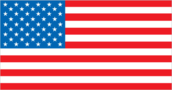
the flag of the US is used
Independence
none (territory of the US)
Legal System
US common law
Economy
Economy Overview
Economic activity is limited to providing services to military personnel and contractors located on the island. All food and manufactured goods must be imported.
Energy
Crude Oil Production
0 bbl/day (2018 est.)
Communications
Broadcast Media
American Armed Forces Radio and Television Service (AFRTS) provides satellite radio/TV broadcasts (2018)
Telephone System
satellite communications; 2 Defense Switched Network circuits off the Overseas Telephone System (OTS); located in the Hawaii area code - 808 (2018)
Transportation
Airports
1 (2018)
Airports With Paved Runways
- 2 438 To 3 047 M
- 1 (2018)
- Total
- 1 (2018)
Ports And Terminals
none; two offshore anchorages for large ships
Transportation Note
there are no commercial or civilian flights to and from Wake Island, except in direct support of island missions; emergency landing is available
Military and Security
Military Note
defense is the responsibility of the US; the US Air Force is responsible for overall administration and operation of the island facilities; the launch support facility is administered by the US Missile Defense Agency (MDA)
Transnational Issues
Disputes International
claimed by Marshall Islands