2001 Edition
CIA World Factbook 2001 (Project Gutenberg)
Introduction
Airports
3 (2000 est.)
Airports - with paved runways
total: 2 1,524 to 2,437 m: 2 (2000 est.)
Airports - with unpaved runways
total: 1 914 to 1,523 m: 1 (2000 est.) Midway Islands Military
Area
total: 6.2 sq km land: 6.2 sq km water: 0 sq km note: includes Eastern Island, Sand Island, and Spit Island
Area - comparative
about nine times the size of The Mall in Washington, DC
Background
The US took formal possession of the islands in 1867. The laying of the trans-Pacific cable, which passed through the islands, brought the first residents in 1903. Between 1935 and 1947, Midway was used as a refueling stop for trans-Pacific flights. The US naval victory over a Japanese fleet off Midway in 1942 was one of the turning points of World War II. The islands continued to serve as a naval station until closed in 1993. Today the islands are a wildlife refuge open to the public. Midway Islands Geography
Climate
subtropical, but moderated by prevailing easterly winds
Coastline
15 km
Country name
conventional long form: none conventional short form: Midway Islands
Dependency status
unincorporated territory of the US; formerly administered from Washington, DC, by the US Navy, under Naval Facilities Engineering Command, Pacific Division; this facility has been operationally closed since 10 September 1993; on 31 October 1996, through a presidential executive order, the jurisdiction and control of the atoll was transferred to the Fish and Wildlife Service of the US Department of the Interior as part of the National Wildlife Refuge system
Disputes - international
none
Economy - overview
The economy is based on providing support services for the national wildlife refuge activities located on the islands. All food and manufactured goods must be imported. Midway Islands Transportation
Elevation extremes
lowest point: Pacific Ocean 0 m highest point: unnamed location 13 m
Environment - current issues
NA
Flag description
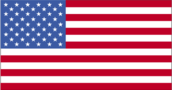
the flag of the US is used Midway Islands Economy
Geographic coordinates
28 13 N, 177 22 W
Geography - note
a coral atoll managed as a national wildlife refuge and open to the public for wildlife-related recreation in the form of wildlife observation and photography, sport fishing, snorkeling, and scuba diving Midway Islands People
Highways
total: NA km paved: NA km unpaved: NA km
Irrigated land
0 sq km (1998)
Land boundaries
0 km
Land use
arable land: 0% permanent crops: 0% permanent pastures: 0% forests and woodland: 0% other: 100%
Legal system
the laws of the US, where applicable, apply
Location
Oceania, atoll in the North Pacific Ocean, about one-third of the way from Honolulu to Tokyo
Map references
Oceania
Maritime claims
exclusive economic zone: 200 NM territorial sea: 12 NM
Military - note
defense is the responsibility of the US Midway Islands Transnational Issues
Natural hazards
NA
Natural resources
wildlife, terrestrial and aquatic
Pipelines
7.8 km
Population
no indigenous inhabitants; approximately 150 people make up the staff of US Fish and Wildlife Service and their services cooperator living at the atoll (July 2001 est.) Midway Islands Government
Ports and harbors
Sand Island
Terrain
low, nearly level
Waterways
none