1988 Edition
CIA World Factbook 1988 (Internet Archive)
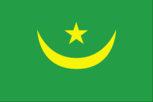
Geography
Administrative divisions
12 regions and a capital district
Airfields
3 total; 3 usable; 1 with permanent-surface runways; 1 with runways 2,440-3,659 m
Boundary disputes
none; Western Sahara question with Morocco
Branches
executive, Military Committee for National Salvation rules by decree; National Assembly and judiciary suspended pending restoration of civilian rule
Capital
Nouakchott
Civil air
no major transport aircraft
Climate
desert; constantly hot, dry, dusty
Coastline
754 km
Communists
no Communist Party, but there is a scattering of Maoist sympathizers
Comparative area
about the size of California and Texas combined
Continental shelf
edge of continental margin or 200 nm
Elections
municipal elections conducted December 1986; last presidential election August 1976 Political parties and leaders: suspended
Environment
hot, dry, dust/sand-laden sirocco wind blows primarily in March and April; desertification; only perennial river is the Senegal
Ethnic divisions
40% mixed Moor /black; 30% Moor, 30% black
Extended economic zone
200 nm
Government leader
Col. Maaouiya Ould Sid Ahmed Ould TAYA, President and Prime Minister (since December 1984)
Highways
1,680 km total; 1,300 km paved, 380 km gravel and earth
Infant mortality rate
136/1,000 (1983)
Labor force
total labor force 465,000 (1981 est); about 45,000 wage earners (1980 IMF); 47% agriculture, 29% services, 14% industry and commerce, 10% government; considerable unemployment
Land boundaries
5,118 km total
Land use
NEGL% arable land; NEGL% permanent crops; 38% meadows and pastures; 15% forest and woodland; 47% other; includes NEGL% irrigated
Language
Hasaniya Arabic (national); French (official); Toucouleur, Fula, Sarakole, Wolof
Legal system
based on Islamic law; military constitution April 1979
Life expectancy
men 44, women 47
Literacy
17%
Military manpower
males 15-49, 92,000 30Okm
National holiday
Independence Day, 28 November
Nationality
noun — Mauritanian(s); adjective— Mauritanian
Official name
Islamic Republic of Mauritania
Organized labor
30,000 members claimed by single union, Mauritanian Workers' Union Govern rnent
Population
1,863,208 (July 1987), average annual growth rate 2.91%
Ports
1 major (Fort-de-France), 5 minor
Religion
nearly 100% Muslim
Special notes
none
Suffrage
universal for adults
Telecommunications
domestic facilities are adequate; 68,900 telephones (21.5 per 100 popl.); interisland radio-relay links to Guadeloupe, Dominica, and St. Lucia; 2 Atlantic Ocean satellite antennas; 1 AM, 7 FM, 10 TV stations Defense Forces Defense is responsibility of France
Terrain
mostly barren, flat plains of Sahara Desert; some central hills
Territorial sea
70 nm
Total area
1,030,700 km2; land area: 1,030,400 km2
Type
republic; military first seized power in bloodless coup 10 July 1978; a palace coup that took place on 12 December 1984 brought the President to power