1986 Edition
CIA World Factbook 1986 (Internet Archive)
Geography
Agriculture
main crops — sugarcane, citrus fruits, bananas, pimento, coconuts, coffee, cocoa, tobacco; an illegal producer of cannabis for the international drug trade
Area
10,991 km2; slightly smaller than Connecticut; 23% meadow and pasture; 21% arable; 19% forest; 37% waste, urban, or other Water
Branches
Cabinet headed by Prime Minister; bicameral legislature — 21-member Senate (13 nominated by the Prime Minister, eight by opposition leader, if any; currently no official opposition because of People's National Party boycott of December 1983 election; eight non-Jamaica Labor Party members appointed to current Senate by Prime Minister Seaga), 60-member elected House of Representatives; judiciary follows British tradition under a Chief Justice
Capital
Kingston
Coastline
1,022 km People
Communists
Workers' Party of Jamaica (Marxist-Leninist)
Elections
at discretion of Governor General upon advice of Prime Minister but within five years; last held 15 December 1983 Political parties and leaders: Jamaica Labor Party (JLP), Edward Seaga; People's National Party (PNP), Michael Manley; Workers' Party of Jamaica (WPJ), Trevor Munroe
Electric power
1,080,000 kW capacity (1985); 1.8 billion kWh produced (1985), 790 kWh per capita
Ethnic divisions
76.3% African, 15.1% Afro-European, 3.4% East Indian and AfroEast Indian, 3.2% white, 1.2% Chinese and Afro-Chinese, 0.8% other
Exports
$706 million (f.o.b., 1984); alumina, bauxite, sugar, bananas, citrus fruits and fruit products, rum, cocoa
GNP
$2.0 billion (1984), $890 per capita; real growth rate 1984, — 1.0% est.
Government leaders
Edward Philip George SEAGA, Prime Minister (since November 1980); Sir Florizel A. GLASSPOLE, Governor General (since 1973)
Imports
$1.1 billion (c.i.f., 1984); fuels, machinery, transportation and electrical equipment, food, fertilizer Jamaica (continued)
Infant mortality rate
16.8/1,000(1984)
Labor force
728,700 (1984); 32% agriculture, 28% industry and commerce, 27% services, 13% government; shortage of technical and managerial personnel; 30% unemployment
Language
English, Creole
Legal system
based on English common law; has not accepted compulsory ICJ jurisdiction
Life expectancy
65
Limits of territorial waters (claimed)
12 nm
Literacy
76%
Major industries
tourism, bauxite mining, textiles, food processing, light manufactures
Member of
CARICOM, Commonwealth, FAO, G-77, GATT, IADB, IAEA, IBA, IBRD, ICAO, ICO, IDE— Inter-American Development Bank, IFAD, IFC, ILO, IMF, IMO, INTERPOL, ISO, ITU, NAM, OAS, PAHO, SELA, UN, UNESCO, UPU, WFTU, WHO, WIPO, WMO, WTO Economy
National holiday
Independence Day, first Monday in August
Nationality
noun — Jamaican(s); adjective — Jamaican
Natural resources
bauxite, gypsum, limestone
Official name
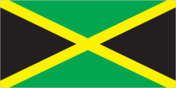
Jamaica
Organized labor
about 33% of labor force (1980) Government
Other political or pressure groups
New World Group (Caribbean regionalists, nationalists, and leftist intellectual fraternity); Rastafarians (Negro religious/racial cultists, pan-Africanists); New Creation International Peacemakers Tabernacle (leftist group); Workers Liberation League (a Marxist coalition of students/labor)
Political subdivisions
12 parishes and the Kingston-St. Andrew corporate area
Population
2,288,000 (July 1986), average annual growth rate 1.0%
Religion
predominantly Protestant (including Anglican and Baptist), some Roman Catholic, some spiritualist cults
Suffrage
universal adult at age 18
Type
independent state within Commonwealth, recognizing Elizabeth II as head of state
Voting strength
in the 1983 general elections 54 seats were uncontested; in 6 contested seats the JLP won overwhelmingly against several small fringe parties; the PNP and WPJ boycotted the election; in 1980 general elections approx. 58.8% JLP (51 seats in House), 41.2% PNP (9 seats)