1986 Edition
CIA World Factbook 1986 (Internet Archive)
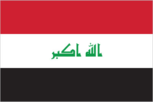
Geography
Agriculture
dates, wheat, barley, rice, livestock
Area
434,924 km2; larger than California; 68% desert, waste, or urban; 18% cultivated; 10% seasonal and other grazing; 4% forest and wood
Branches
Ba'th Party of Iraq has been in power since 1968 coup; unicameral legislature (National Assembly)
Budget
public revenues, $13.6 billion; current expenditures, $17.5 billion; development expenditures, $22.8 billion (1981 est.)
Capital
Baghdad
Coastline
58 km People
Communists
est. 2,000 hardcore members
Elections
National Assembly elections held October 1984; Legislative Council for the Autonomous Region held September 1980
Electric power
6,874,800 kW capacity (1985); 21.078 billion kWh produced (1985), 1,359 kWh per capita
Ethnic divisions
75% Arab, 15-20% Kurdish, 5-10% Turkoman, Assyrian, and other
Exports
$11.7 billion (f.o.b., 1985 est.); from nonoil receipts, $300 million est.
Fiscal year
calendar year Communications
GNP
$27 billion (1984 est.)
Government leaders
Saddam HUSAYN, President (since July 1979); Izzat IBRAHIM, Deputy Chairman of the Revolutionary Command Council (since July 1979)
Highways
20,800 km total; 6,490 km paved, 4,654 km improved earth, 9,656 km unimproved earth
Imports
$11.5 billion (f.o.b., 1985 est); 14% from Communist countries (1980)
Infant mortality rate
76/1,000 (1980)
Labor force
3. 1 million (1977); 30% agriculture, 27% industry, 21% government, 22% other; severe labor shortage due to war; expatriate labor force est. at 1,250,000
Land boundaries
3,668 km (including areas belonging to Iraq and now occupied by Iran during continuing border war) Water
Language
Arabic (official), Kurdish (official in Kurdish regions); Assyrian, Armenian
Legal system
based on Islamic law in special religious courts, civil law system elsewhere; provisional constitution adopted in 1968; judicial review was suspended; legal education at University of Baghdad; has not accepted compulsory ICJ jurisdiction
Life expectancy
56. 1
Limits of territorial waters (claimed)
12 nm
Literacy
about 50%
Major industry
crude petroleum 1.4 million b/d (1985 est.); petroleum revenues, $11. 4 billion (1985 est.) *
Major trade partners
exports — France, Italy, Brazil, Japan, Turkey, UK, USSR, other Communist countries; imports — FRG, Japan, France, Italy, US, UK, USSR, other Communist countries (1985)
Member of
Arab League, FAO, G-77, IAEA, IBRD, ICAO, IDA, IDE— Islamic Development Bank, IFAD, IFC, ILO, IMF, IMO, INTELSAT, INTERPOL, ITU, NAM, OAPEC, QIC, OPEC, UN, UNESCO, UPU, WFTU, WHO, WIPO, WMO, WSG, WTO Economy
Monetary conversion rate
.3109 Iraqi dinar=US$l (October 1985)
National holidays
anniversaries of the 1958 and 1968 revolutions are celebrated 14 July and 17 July; various religious holidays
Nationality
noun — Iraqi(s); adjective — Iraqi
Natural resources
oil, natural gas, phosphates, sulfur
Official name
Republic of Iraq
Organized labor
1 1% of labor force Government
Political or pressure groups
political parties and activity severely restricted; possibly some opposition to regime from disaffected members of the regime, army officers, and religious and ethnic dissidents
Political subdivisions
18 provinces under centrally appointed officials
Population
16,01 9,000 (July 1986), average annual growth rate 3.2%; figures do not take into account the impact of the Iran-Iraq war
Railroads
2,145 km total; 1,645 km 1.435meter standard gauge, 520 km 1.000-meter gauge
Religion
95% Muslim (55% Shi'a, 40% Sunni), 5% Christian or other
Suffrage
universal adult
Type
republic; National Front government consisting of Ba'th Party (BPI), weak nationalist parties, and proadministration Kurds