1988 Edition
CIA World Factbook 1988 (Internet Archive)
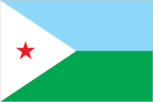
Geography
Boundary disputes
none; possible claim by Somalia based on unification of ethnic Somalis
Climate
- desert; torrid, dry
- tropical; moderated by northeast trade winds; heavy rainfall
Coastline
- 314 km
- 148 km
Comparative area
- about the size of New Hampshire
- about one-fourth the size of Rhode Island
Contiguous zone
- 24 nm
- 24 nm
Environment
- vast wasteland with important geothermal resources
- flash floods a constant hazard; occasional hurricanes
Ethnic divisions
- 60% Somali (Issa); 35% Afar, 5% French, Arab, Ethiopian, and Italian
- mostly black; some Carib-Indians
Extended economic zone
- 200 nm
- 200 nm
Infant mortality rate
- 140/1,000(1985)
- 24.1/1,000 (1981)
Labor force
a small number of semiskilled laborers at port; 3,000 railway workers
Land boundaries
517 km total
Land use
- 0% arable land; 0% permanent crops; 9% meadows and pastures; NEGL% forest and woodland; 91% other
- 9% arable land; 13% permanent crops; 3% meadows and pastures; 41% forest and woodland; 34% other . . •
Language
- French (official); Arabic, Somali, and Afar widely used
- English (official); French patois widely spoken
Life expectancy
- 50
- men 57, women 59.
Literacy
20%
Nationality
- noun — Djiboutian(s); adjective— Djiboutian Djibouti (continued) Dominica
- noun — Dominican(s); adjective— Dominican
Organized labor
3,000 railway workers
Population
- 312,405 (July 1987), average annual growth rate 2.53%
- 94,191 (July 1987), average annual growth rate 3.80%
Religion
- 94% Muslim, 6% Christian
- 80% Roman Catholic; Anglican, Methodist
Special notes
- strategic location near world's busiest shipping lanes and close to Arabian oilfields
- northernmost and largest of Windward Islands
Terrain
- coastal plain and plateau separated by central mountains
- rugged mountains of volcanic origin
Territorial sea
- 12 nm
- 12 nm
Total area
- 22,000 km2; land area: 21,980 km2
- 750 km2; land area: 750 km2
Government
Administrative divisions
5 cercles (districts)
Branches
legislative — 65-member parliament (National Assembly), executive, judiciary
Capital
Djibouti
Communists
possibly a few sympathizers
Elections
parliament elected May 1982 Political party and leader: Peoples Progress Assembly (RPP), Hassan Gouled Aptidon; sole legal party
Government leader
Hassan GOULED Aptidon, President (since June 1977)
Legal system
based on French civil law system, traditional practices, and Islamic law; partial constitution ratified January 1981 by National Assembly
Member of
AfDB, Arab League, FAO, G-77, IBRD, ICAO, IDA, IDE— Islamic Development Bank, IFAD, IFC, ILO, IMF, IMO, INTERPOL, ITU, NAM, OAU, OIC, UN, UPU, WFTU, WHO, WMO
National holiday
27 June
Official name
Republic of Djibouti
Suffrage
universal adult
Type
republic
Economy
Agriculture
livestock; limited commercial crops, including fruit and vegetables
Budget
estimated in percent of GDP — revenues 30.7%, grants 4.0%, expenditures 45.7% (1986)
Electric power
80,000 kW capacity; 140 million kWh produced, 460 kWh per capita (1986)
Exports
$96 million (f.o.b., 1986 est.); hides and skins and transit of coffee; a large portion consists of reexports to foreign residents of Djibouti
Fiscal year
calendar year
GDP
$344 million; per capita income $1,130 (1986 est.)
Imports
$197 million (f.o.b., 1986 est.); almost all domestically needed goods — foods, machinery, transport equipment
Major industries
transit trade, port, railway, services; live cattle and sheep exports to Saudi Arabia; secondary services to French military
Monetary conversion rate
176.14 Djibouti francs=US$l (average JanuarySeptember 1986)
Natural resources
none
Communications
Airfields
12 total, 10 usable; 1 with permanent-surface runways; 1 with runways 2,440-3,659 m, 4 with runways 1,220-2,439 m
Branches
Army, Navy, Air Force; paramilitary National Security Force
Civil air
1 major transport aircraft
Highways
2,800 km total; 279 km bituminous surface, 229 km improved earth, 2,292 km unimproved earth
Military budget
for fiscal year ending 31 December 1986, $29.9 million; 23% of central government budget 10km Sw rctlonil mip III
Military manpower
males 15-49, about 84,000; about 49,000 fit for military service
Ports
1 major (Djibouti)
Railroads
the Ethiopian-Djibouti railroad extends for 97 km through Djibouti
Telecommunications
fair system of urban facilities in Djibouti and radio-relay stations at outlying places; 7,300 telephones (2.4 per 100 popl.); 2 AM, 1 FM, 2 TV stations; 1 Indian Ocean satellite ground station, 1 ARABSAT station, 1 submarine cable to Saudi Arabia Defense Forces