1988 Edition
CIA World Factbook 1988 (Internet Archive)
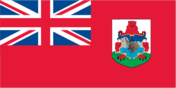
Geography
Climate
subtropical; mild, humid; gales, strong winds common in winter
Coastline
103 km
Comparative area
about one-third the size of Washington, D.C.
Continental shelf
200 meters or to depth of exploitation
Environment
ample rainfall, but no rivers or freshwater lakes; consists of about 360 small coral islands
Ethnic divisions
61% black, 39% white and other
Exclusive fishing zone
200 nm
Infant mortality rate
7.1/1,000 (1985)
Labor force
32,000 employed (1984); 25% clerical, 22% services, 21% laborers, 13% professional and technical, 10% administrative and managerial, 7% sales, 2% agriculture and fishing
Land use
0% arable land; 0% permanent crops; 0% meadows and pastures; 20% forest and woodland; 80% other; includes 11% leased for military bases
Language
English
Life expectancy
men 69, women 76
Literacy
98%
Nationality
noun — Bermudian(s); adjective— Bermudian
Organized labor
8,573 members (1985); largest union is Bermuda Industrial Union
Population
58,033 (July 1987), average annual growth rate 0.18%
Religion
37% Anglican, 14% Roman Catholic, 10% African Methodist Episcopal (Zion), 6% Methodist, 5% Seventh-Day Adventist, 28% other
Special notes
1,050 km east of North Carolina; some reclaimed land leased by US Government
Terrain
low hills separated by fertile depressions
Territorial sea
3 nm
Total area
50 km2; land area: 50 km2
Total area
5 km North Atlantic Ocean North Atlantic Ocean
Government
Administrative divisions
9 parishes, 2 municipalities
Branches
Executive Council (cabinet) appointed by governor, led by government leader; bicameral legislature with an appointed Senate and a 40-member directly elected House of Assembly; Supreme Court
Capital
Hamilton
Communists
negligible
Elections
at least once every five years; last general election October 1985 Political parties and leaders: United Bermuda Party (UBP), John W. D. Swan; Progressive Labor Party (PLP), Frederick Wade; National Liberal Party, Gilbert Darrell
Government leaders
Viscount DUNROSSIL, Governor (since 1983); John William David SWAN, Premier (since 1982)
Legal system
English law
Member of
INTERPOL, WHO
Official name
Bermuda
Other political or pressure groups
Bermuda Industrial Union (BIU), headed by Ottiwell Simmons
Suffrage
universal adult over age 21
Type
British dependent territory
Voting strength
1985 elections — 40 seats total— UBP 31 House of Assembly seats; PLP, 7; National Liberal Party, 2
Economy
Agriculture
main products — bananas, vegetables, Easter lilies, dairy products, citrus fruits
Aid
bilateral commitments, including Ex-Im (FY70-81), from US $34 million; from Western (non-US) countries, ODA and OOF (1970-84), $265 million
Budget
revenues, $208 million; expenditures, $218 million (FY85/86 est.)
Electric power
118,000 kW capacity; 378 million kWh produced, 6,410 kWh per capita (1986)
Exports
$38 million (1984); semitropical produce, light manufactures
Fiscal year
1 April-31 March
GDP
$1,148.1 million (1985-86), $19,800 per capita — factor cost (1984-85); real growth rate 1.1% (1983-84); average inflation rate 3.8% (1984-85)
Imports
$404 million (1984); fuel, foodstuffs, machinery
Major industries
tourism (33%), finance, structural concrete products, paints, perfumes, furniture
Major trade partners
56% US, 11% Caribbean countries, 8% UK, 6% Canada, 19% other; tourists, 90% US
Monetary conversion rate
1 Bermuda dollar=US$l (September 1986)
Natural resources
limestone (used primarily for building)
Communications
Airfields
1 total, 1 usable, 1 with permanent-surface runways 2,440-3,659 m
Branches
The Bermuda Regiment
Civil air
16 major transport aircraft
Highways
210 km public roads, all paved (about 400 km of private roads)
Ports
3 major
Railroads
none
Telecommunications
modern telecom system, includes fully automatic telephone system with 46,290 sets (84.6 per 100 popl.); 4 AM, 3 FM, 2 TV stations; 3 submarine cables; 2 Atlantic Ocean satellite antennas Defense Forces Defense is the responsibility of United Kingdom