1983 Edition
CIA World Factbook 1983 (Internet Archive)
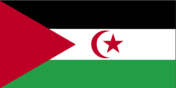
Geography
Agriculture
practically none; some barley is grown in nondrought years; fruit and vegetables in the few oases; food imports are essential; camels, sheep, and goats are kept by the nomadic natives; cash economy exists largely for the garrison forces
Aid
small amounts from Spain in prior years; currently Morocco is major source of support
Airfields
16 total, 15 usable; 3 with permanent-surface runways, 3 with runways 2,440-3,659 m, 5 with runways 1,2202,439 m Western Samoa NEW GUINEA >„ ». »' WESTERN
Area
266,770 km2, nearly all desert
Civil air
no data available
Coastline
1,110 km People
Electric power
60,000 kW capacity (1983); 85 million kWh produced (1983), 1,000 kWh per capita
Ethnic divisions
Arab and Berber
Exports
in 1982, up to $5 million in phosphates, all other exports valued at under $3 million
GNP
not available
Government leader
Mohamed ABDELAZIZ, President of Sahara Democratic Arab Republic and secretary general of the Polisario Economy
Highways
6,100 km total; 500 km bituminous treated, 5,600 km unimproved earth roads and tracks
Imports
up to $30 million (1982); development, fuel for fishing fleet, foodstuffs
Labor force
12,000; 50% animal husbandry and subsistence farming, 50% other
Land boundaries
2,086 km Water
Languages
Hassaniya Arabic, Moroccan Arabic
Limits of territorial waters (claimed)
6 nm (fishing 12 nm)
Literacy
among Moroccans, probably nearly 20%; among Saharans, perhaps 5%
Major industries
phosphate, fishing, and handicrafts
Major trade partners
Morocco claims administrative control over Western Sahara and controls all trade with the country; Western Sahara trade figures are included in overall Moroccan accounts
Monetary conversion rate
uses Moroccan dirham; 7.95 dirham = US$l (February 1984) Communications
Nationality
noun — Saharan(s), Moroccan(s); adjective — Saharan, Moroccan
Official name
Western Sahara
Organized labor
none Government
Population
89,000 (July 1984), average annual growth rate 1.8%
Ports
2 major (El Aaiun, Dakhla)
Railroads
none
Religion
Muslim
Shortages
water
Type
legal status of territory and question of sovereignty unresolved — territory partitioned between Morocco and Mauritania in April 1976, with Morocco acquiring the northern two-thirds, including the rich phosphate reserves at Bu Craa. Mauritania, under pressure from the Polisario guerrillas, abandoned all claims to its portion in August 1979; Morocco moved to occupy that sector shortly thereafter and has since asserted administrative control there; OAU-sponsored referendum proposed to resolve situation while guerrilla activities continue into 1984