1982 Edition
CIA World Factbook 1982 (Wikisource)
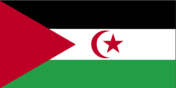
Geography
Area
266,770 km2 , nearly all desert
Coastline
1,110 km
Land boundaries
2,086 km WATER
Limits of territorial waters (claimed)
6 nm (fishing 12 nm)
People and Society
Ethnic divisions
Arab, Berber, and Negro nomads
Labor force
12,000; 50% animal husbandry and subsistence farming, 50% other
Languages
Hassaniya Arabic, Moroccan Arabic
Literacy
among Moroccans, probably nearly 20%; among Saharans, perhaps 5%
Nationality
noun—Saharan(s), Moroccan(s); adjective—Saharan, Moroccan
Organized labor
none
Population
86,000 (July 1982), average annual growth rate 1.8%
Religion
Muslim
Government
Official name
Western Sahara
Type
legal status of territory and question of sovereignty unresolved—territory partitioned between Morocco and Mauritania in April 1976, with Morocco acquiring the northern two-thirds including the rich phosphate reserves at Bu Craa. Mauritania, under pressure from the Polisario guerrillas, abandoned all claims to its portion in August 1979; Morocco moved to occupy that sector shortly thereafter and has since asserted administrative control there; OAU-sponsored referendum proposed to resolve situation while guerrilla activities continue into 1982
Economy
Agriculture
practically none; some barley is grown in nondrought years; fruit and vegetables in the few oases; food imports are essential; camels, sheep, and goats are kept by the nomadic natives; cash economy exists largely for the garrison forces
Aid
small amounts from Spain in prior years; currently Morocco is major source of support
Electric power
56,000 kW capacity (1980); 78 million kWh produced (1980), 772 kWh per capita
Exports
in 1975, up to $75 million in phosphates, all other exports valued at under $1 million
Imports
$1,443,000 (1968); fuel for fishing fleet, foodstuffs
Major industries
phosphate and iron mining, fishing, and handicrafts
Major trade partners
monetary trade largely with Spain and Spanish possessions, more recently with Morocco
Monetary conversion rate
see Moroccan and Mauritanian currencies
Shortages
water
Communications
Airfields
15 total, 14 usable; 3 with permanent-surface runways; 1 with runways over 3,659; 1 with runways 2,440-3,659 m; 8 with runways 1,220-2,439 m
Civil air
no major transport aircraft
Highways
6,100 km total; 500 km bituminous treated, 5,600 km unimproved earth roads and tracks
Ports
2 major (El Aaiun, Dakhla)
Railroads
none
Telecommunications
sparse and fragmentary system with facilities concentrated in northwest area; some radio relay, wire, and radiocommunications stations in use; 1,000 telephones (0.7 per 100 popl.); 2 AM and no FM stations; 1 TV station