1988 Edition
CIA World Factbook 1988 (Internet Archive)
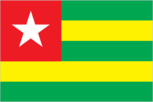
Geography
Climate
tropical; hot, humid in south; semiarid in north
Coastline
56 km
Comparative area
about the size of West Virginia
Environment
hot, dry harmattan wind can reduce visibility in north during winter; recent droughts affecting agriculture; deforestation
Ethnic divisions
37 tribes; largest and most important are Ewe, Mina, and Kabye; under 1% European and SyrianLebanese
Extended economic zone
200 nm
Fiscal year
1 October-30 September
Infant mortality rate
114/1,000 (1983)
Labor force
78% agriculture, 22% industry; about 88,600 wage earners, evenly divided between public and private sectors
Land boundaries
1,646 km total
Land use
25% arable land; 1% permanent crops; 4% meadows and pastures; 28% forest and woodland; 42% other; includes NEGL% irrigated
Language
French, both official and language of commerce; major African languages are Ewe and Mina in the south and Dagomba and Kabye in the north
Life expectancy
47
Literacy
18%
Monetary conversion rate
26.27 baht=US$l (November 1986)
Nationality
noun — Togolese (sing, and pi.); adjective — Togolese
Organized labor
one national union, the National Federation of Togolese Workers
Population
3,228,635 (July 1987), average annual growth rate 3.25%
Religion
about 70% indigenous beliefs, 20% Christian, 10% Muslim
Special notes
none
Terrain
gently rolling savanna in north; central hills; southern plateau; low coastal plain with extensive lagoons and marshes
Territorial sea
30 nm
Total area
56,790 km2; land area: 54,390 km2
Government
Administrative divisions
21 prefectures
Branches
strong executive President; unicameral legislature (National Assembly); separate judiciary, including State Security Court, established in 1970; a new constitution was endorsed by referendum in 1979 that provided for an elective presidential system and a 67-member National Assembly
Capital
Lome
Communists
no Communist Party; possibly some sympathizers
Covernment leader
Gen. Cnassingbe EYADEMA, President (since 1967)
Elections
to be held every seven years; last held in December 1986; General Eyadema, the sole candidate, was elected by almost 100% of votes cast
Legal system
French-based court system with a court of appeals
National holiday
Independence Day, 27 April
Official name
Republic of Togo
Political party
single party formed by President Eyadema in September 1969, Rally of the Togolese People (RPT); structure and staffing of party closely controlled by government
Suffrage
universal adult
Type
republic; one-party presidential regime
Communications
Airfields
131 total, 104 usable; 57 with permanent-surface runways; 1 with runways over 3,659 m, 13 with runways 2,440-3,659 m, 26 with runways 1,220-2,439 m
Branches
Royal Thai Army, Royal Thai Navy (includes Royal Thai Marine Corps), Royal Thai Air Force; paramilitary forces include Border Patrol Police, Thahan Phran (irregular soldiers), Village Defense Forces
Civil air
30 (plus 2 leased) major transport aircraft
Highways
44,534 km total; 28,016 km paved, 5,132 km earth surface, 11,386 km under development
Inland waterways
3,999 km principal waterways; 3,701 km with navigable depths of 0.9 m or more throughout the year; numerous minor waterways navigable by shallow-draft native craft
Military budget
for fiscal year ending 30 September 1987, $1.6 billion (est); 18.1% of central government budget 125 km Stcrc|ioni1mipVII Kpalima Bight of Benin
Military manpower
males 15-49, 14,557,000; 8,912,000 fit for military service; 630,000 reach military age (18) annually
Pipelines
natural gas, 350 km; refined products, 67 km
Ports
2 major, 16 minor
Railroads
3,940 km 1.000-meter gauge, 99 km double track
Telecommunications
service to general public adequate; bulk of service to government activities provided by multichannel cable and radio-relay network; satellite ground station; domestic satellite system being developed; 623,368 telephones; over 200 AM, about 100 FM, 11 TV transmitters in government-controlled networks Defense Forces