1981 Edition
CIA World Factbook 1981 (Internet Archive)
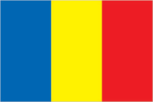
Geography
Area
237,503 km2; 44% arable, 19% other agriculture, 27% forested, 10% other
Coastline
225 km
Land boundary
2,969 km
Limits of territorial waters (claimed)
12 nm
People and Society
Ethnic divisions
87% Romanian, 8% Hungarian, 2% German, 3% other
Labor force
12.1 million (1979); 36% agriculture, 26% industry, 38% other nonagricultural
Language
Romanian, Hungarian, German
Literacy
98%-99% of total population
Nationality
noun — Romanian(s); adjective — Romanian
Population
22,510,000 (July 1982), average annual growth rate 0.7%
Religion
14 million Romanian Orthodox, 1 million Roman Catholic, 1 million Protestants, 60,000 Jews, 30,000 Muslims
Government
Branches
Presidency; Council of Ministers; the Grand National Assembly, under which is Office of Prosecutor General and Supreme Court; Council of State
Capital
Bucharest
Communists
3,044,336 (March 1981)
Elections
elections held every five years for Grand National Assembly deputies and local people's councils Political parties and leaders: Communist Party of Romania only functioning party, Nicolae Ceausescu, Secretary General Voting strength (1980 election): overall participation reached 99.99%; of those registered to vote (15,631,351), 98.52% voted for party candidates
Government leaders
Nicolae CEAUS.ESCU, President of the Socialist Republic, head of state; Hie VERDET, Prime Minister
Legal system
mixture of civil law system and Communist legal theory that increasingly reflects Romanian traditions; constitution adopted 1965; legal education at University of Bucharest and two other law schools; has not accepted compulsory ICJ jurisdiction
Member of
CEMA, FAO, G-77, GATT, IAEA, IBRD, ICAO, IFAD, ILO, IMCO, IMF, IPU, ITC, ITU, UN, UNESCO, UPU, Warsaw Pact, WHO, WIPO, WMO, WTO
National holiday
Liberation Day, 23 August
Official name
Socialist Republic of Romania
Political subdivisions
41 counties including city of Bucharest, which has administrative status equal to a county, and 46 municipalities
Suffrage
universal over age 18, compulsory
Type
Communist state
Economy
Agriculture
net exporter; main crops — corn, wheat, oilseed; livestock — cattle, hogs, sheep; caloric intake, 118% of requirements
Crude steel
3.2 million metric tons produced (1980), 579 kg per capita
Electric power
16,104,000 kW capacity (1981); 68.455 billion kWh produced (1981), 3,048 kWh per capita
Exports
$11.2 billion (f.o.b., 1980); 26% machinery and equipment; 12% agricultural materials and foodstuffs; 16% manufactured consumer goods; 29% fuels, minerals, and metals; 17% other (1979)
Fiscal year
same as calendar year; economic data reported for calendar years except for caloric intake, which is reported for consumption year, 1 July-30 June
Fishing
catch 140,000 metric tons (1979)
GNP
$116.5 billion in 1980 (1980 dollars), $5,244 per capita; 1980 real growth rate, 1.0%
Imports
$12.8 billion (mixture f.o.b. and c.i.f., 1980); 32% machinery and equipment; 43% fuels, minerals, metals; 7% agricultural raw materials and foodstuffs; 18% other (1979)
Major industries
machinery, metals, fuels, chemicals, textiles, food processing, timber processing
Major trade partners
$24.0 billion in 1980; 59% nonCommunist countries, 41% Communist countries (1980)
Monetary conversion rate
4.47 lei=US$l (commercial), 11 lei=US$l (tourist)
Shortages
iron ore, coking coal, metallurgical coke, cotton fibers, natural rubber