1985 Edition
CIA World Factbook 1985 (Internet Archive)
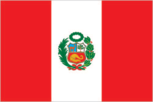
Geography
Agriculture
main crops — wheat, potatoes, beans, rice, barley, coffee, cotton, sugarcane; imports — wheat, meat, lard and oils, rice, corn
Area
1,285,216 km2 (other estimates range as low as 1,248,380 km2); five-sixths the size of Alaska; 55% forest; 14% meadow and pasture; 2% crop; 29% urban, waste, or other
Branches
executive, judicial, bicameral legislature (Senate, Chamber of Deputies)
Capital
Lima
CNP
$16.3 billion (1983 est.), $875 per capita; 71% private consumption, 15% public consumption, 17% gross investment; —3% net foreign balance (1982); real growth rate (1983), -11.8%
Communists
Communist Party of Peru (PCP), pro-Soviet, 2,000; pro-Chinese (2 factions) 1,200
Elections
elections for president and congress held every five years; elections for a civilian government were held on 18 May 1980, with the new government installed in July 1980; election for president and congress to be held on 14 April 1985 with a possible second round runoff in May 1985 for president if no candidate gets a majority; new government to be inaugurated on 28 July Political parties and leaders: Popular Action Party (AP), Fernando Belaunde Terry; American Popular Revolutionary Alliance (APRA), Alan Garcia; Popular Christian Party (PPC), Luis Bedoya Reyes; United Left (IU), Alfonso Barrantes
Electric power
3,675,000 kW capacity (1984); 12.7 billion kWh produced (1984), 663 kWh per capita
Ethnic divisions
45% Indian; 37% mestizo (white-Indian); 15% white; 3% black, Japanese, Chinese, and other
Exports
$3.0 billion (f.o.b., 1983); copper, fish and fish products, copper, silver, iron, cotton, sugar, lead, zinc, petroleum, coffee
Fishing
catch 3.452 million metric tons (1982); exports — oil, other products, $331 million (1979); meal, $202 million (1982)
Government leader
Fernando BELAUNDE Terry, President (since July 1980); Luis PERCOVICH Roca, Prime Minister (since October 1984)
Imports
$2.2 billion (f.o.b., 1983); foodstuffs, machinery, transport equipment, iron and steel semimanufactures, chemicals, pharmaceuticals
Labor force
5.6 million (1980); 41% government and other services, 40% agriculture, 19% industry and mining; unemployment about 9% (1983 est.)
Land boundaries
6,131 km Water
Language
Spanish and Quechua (official), Aymara
Legal system
based on civil law system; 1979 constitution reestablished civilian government with a popularly elected president and bicameral legislature; legal education at the National Universities in Lima, Trujillo, Arequipa, and Cuzco; has not accepted compulsory ICJ jurisdiction
Limits of territorial waters (claimed)
200 nm Coos*/ine:2,414km People
Literacy
est. 72%
Major industries
mining of metals, petroleum, fishing, textiles and clothing, food processing, cement, auto assembly, steel, shipbuilding, metal fabrication
Major trade partners
exports — 36% US, 15% Japan, 5% UK, 3% Italy, 3% Germany, 3% France, 3% Belgium (1983); imports —
Member of
Andean Pact, AIOEC, ASSIMER, CIPEC, FAO, G-77, GATT, IADB, IAEA, IATP, IBRD, ICAO, ICO, IDA, IDB — Inter-American Development Bank, IFAD, IFC, ILO, INTERPOL, IMF, IMO, INTELSAT, International Lead and Zinc Study Group, ISO, ITU, IWC— International Wheat Council, LAIA, NAM, OAS, PAHO, SELA, UN, UNESCO, UPU, WFTU, WHO, WMO, WSG, WTO Economy
National holiday
Independence Day, 28 July
Nationality
noun — Peruvian(s); adjective — Peruvian
Official name
Republic of Peru
Organized labor
about 40% of salaried workers (1983 est.) Government
Political subdivisions
23 departments with limited autonomy plus constitutional Province of Callao
Population
19,532,000 (July 1985), average annual growth rate 2.4%
Religion
predominantly Roman Catholic
Suffrage
universal over age 18
Type
republic
Voting strength
(1980 presidential election) 45% AP, 27% APRA, 10% PPC