1986 Edition
CIA World Factbook 1986 (Internet Archive)
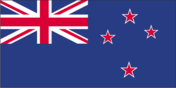
Geography
Agriculture
large areas devoted to cattle grazing; major products — coffee, maize, wheat, vegetables; 60% self-sufficient in beef
Airfields
31 total, 30 usable; 4 with permanent-surface runways; 1 with runways 2,440-3,659 m, 1 with runway 1,220-2,439 m
Branches
unicameral legislature (92-member House of Representatives, commonly called Parliament); Cabinet responsible to Parliament; three-level court system (magistrates and courts, Supreme Court, and Court of Appeal)
Budget
(1981) revenues, $187.1 million; expenditures, $168.3 million
Capital
Wellington
Civil air
no major transport aircraft
Coastline
about 15,134 km People
Elections
held at threeyear intervals or sooner if Parliament is dissolved by Prime Minister; last election July 1984 Political parties and leaders: New Zealand Labor Party (NZLP; government), David Lange; National Party (NP; opposition), Jim McLay; Social Credit Political League (Socred), Bruce Beetham; New Zealand Party, Bob Jones; Socialist Unity Party (SUP; proSoviet), G. H. "Bill" Andersen
Electric power
400,000 kW capacity (1985); 2. 1 billion kWh produced (1985), 14,000 kWh per capita
Ethnic divisions
87% European, 9% Maori, 2% Pacific Islander, 2% other
Exports
$257.4 million (f.o.b., 1980); 95% nickel metal (95%), nickel ore
GNP
$637 million (1979), $4,000 per capita; 1.0% growth (1977)
Government leader
David LANGE, Prime Minister (since July 1984)
Highways
5,399 km total (1979); 558 km paved, 2,251 km improved earth, 2,639 km unimproved earth
Imports
$318.2 million (c.i.f., 1980); fuels and minerals, machines and electrical equipment
Industry
mining of nickel
Infant mortality rate
12.5/1,000(1983)
Inland waterways
none
Labor force
1,371,000(1984); 22% manufacturing; 22% public service; 16% wholesale and retail trade; 10% agriculture, hunting, and fishing; 8% transportation and communications; 7% finance; 5.7% registered unemployed (February 1984)
Language
English (official), Maori
Legal system
based on English law, with special land legislation and land courts for Maoris; constitution consists of various documents, including certain acts of the UK and New Zealand Parliaments; legal education at Victoria, Auckland, Canterbury, and Otago Universities; accepts compulsory ICJ jurisdiction, with reservations
Life expectancy
men 70.5, women 77.0
Limits of territorial waters (claimed)
12 nm (200 nm exclusive economic zone)
Literacy
98%
Major trade partners
(1980) exports — 54.9% France; imports — 32.5% France
Monetary conversion rate
127.05 francs CFP=US$1 (December 1982) Communications
National holiday
Waitangi Day, 6 February
Natural resources
nickel, chrome, iron, cobalt, manganese, silver, gold, lead, copper
Official name
New Zealand
Organized labor
588,000 members; 48% of labor force (1981) Government
Political subdivisions
241 territorial units (128 boroughs, 90 counties, 10 town and district councils); 579 special-purpose bodies
Population
3,305,000 (July 1986), average annual growth rate 1.0% Nationality, noun — New Zealander(s); adjective— New Zealand
Ports
1 major (Noumea), 21 minor
Railroads
none
Religion
81% Christian, 18% none or unspecified, 1 % Hindu, Confucian, and other
Suffrage
universal age 18 and over
Telecommunications
23,000 telephones (17 per 100 popl.); 5 AM, no FM, 7 TV stations; 1 earth satellite station Defense Forces Defense is the responsibility of France Kermtdtc Islands '• N»w Plymouth yVj ^ South Pacific Ocean Tismin * Set T+$, North Island Auckland OChrtstchurch £ I South Is/and <P Dunedin *l>nd' S« regional map X Land 268,676 km2; the size of Colorado; 50% pasture; 16% forest; 10% park and reserve; 3% cultivated; 1% urban; 20% waste, water, or other; 4 principal islands, 2 minor inhabited islands, several minor uninhabited islands Water
Type
independent state within Commonwealth, recognizing Elizabeth II as head of state