1986 Edition
CIA World Factbook 1986 (Internet Archive)
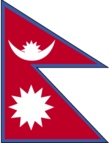
Geography
Agriculture
over 90% of population engaged in agriculture; main crops — rice, corn, wheat, sugarcane, oilseeds; an illegal producer of cannabis for the international drug trade
Area
140,791 km2; the size of North Carolina; 38% alpine land (nonarable), waste, or urban; 32% forest; 16% agricultural; 14% permanent meadow and pasture
Branches
Council of Ministers appointed by the King; Rastriya Panchayat (National Assembly; 1 12 directly elected, 28 appointed by King)
Budget
(FY84/85 revised est.) domestic revenues, $290 million; expenditures, $485 million
Capital
Kathmandu
Communists
Communist Party of Nepal (CPN); factions include V. B. Manandhar, Man Mohan Adhikari, Bharat Raj Joshi, Rai Majhi, Tulsi Lai, Krishna Raj Burma, Sahana Pradhan
Elections
village, town, and district councils (panchayats) elected by universal suffrage; a constitutional amendment in 1980 provided for direct elections to the National Panchayat, which consists of 140 members (including 28 appointed by the King), who serve fiveyear terms; Nepal's first general election in 22 years was held in May 1981; general elections are scheduled for 12 May 1986 Political parties and leaders: all political parties outlawed but operate more or less openly; Nepali Congress Party (NCP), Ganesh Man Singh, K. P. Bhattarai, G. P. Koirala
Electric power
160,000 kW capacity (1985); 395 million kWh produced (1985), 23 kWh per capita
Ethnic divisions
Newars, Indians, Tibetans, Gurungs, Magars, Tamangs, Bhotias, Rais, Limbus, Sherpas, as well as many smaller groups
Exports
$157 million (FY84/85 est.); rice and other food products, jute, timber, manufactured goods
Fiscal year
15 July-14 July
GDP
$2.4 billion (FY84/85 current prices), $142 per capita; 9% real growth in FY84/85 (est.)
Government leaders
BIRENDRA Bir Bikram Shah Dev, King (since 1973); Nagendra Prasad RIJAL, Prime Minister (since July 1984)
Imports
$450 million (FY84/85); manufactured consumer goods, fuel, construction materials, fertilizers, food products
Infant mortality rate
143/1,000(1983)
Labor force
4. 1 million; 93% agriculture, 5% services, 2% industry; great lack of skilled labor Government
Land boundaries
2,800 km People
Language
Nepali (official); 20 mutually unintelligible languages divided into numerous dialects
Legal system
based on Hindu legal concepts and English common law; legal education at Nepal Law College in Kathmandu; has not accepted compulsory ICJ jurisdiction
Life expectancy
men 47, women 45
Literacy
20%
Major industries
small rice, jute, sugar, and oilseed mills; match, cigarette, and brick factories
Major trade partner
India
Member of
ADB, Colombo Plan, ESCAP, FAO, G-77, IBRD, ICAO, IDA, IFAD, IFC, ILO, IMF, IMO, INTERPOL, IPU, IRC, ITU, NAM, SAARC, UN, UNESCO, UPU, WHO, WMO, WTO Economy
Monetary conversion rate
20.40 Nepalese rupees=US$l (November 1985)
National holiday
Birthday of the King and National Day, 28 December
Nationality
noun — Nepalese (sing, and pi.); adjective — Nepalese
Natural resources
quartz, water, timber, hydroelectric potential, scenic beauty
Official name
Kingdom of Nepal
Other political or pressure groups
numerous small, left-leaning student groups in the capital; Indian merchants in Terai and capital
Political subdivisions
75 districts, 14 zones
Population
17,422,000 (July 1986), average annual growth rate 2.5%
Religion
only official Hindu kingdom in world, although no sharp distinction between many Hindu (about 88%) and Buddhist groups; small groups of Muslims and Christians
Suffrage
universal over age 21
Type
nominally a constitutional monarchy; King Birendra exercises autocratic control over multitiered panchayat system of government