1982 Edition
CIA World Factbook 1982 (Wikisource)
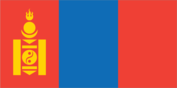
Geography
Area
1,564,619 km2; almost 90% of land area is pasture or desert wasteland, varying in usefulness, less than 1% arable, 10% forested
Land boundaries
8,000 km
People and Society
Ethnic divisions
90% Mongol, 4% Kazakh, 2% Chinese, 2% Russian, 2% other
Labor force
primarily agricultural, over half the population is in the labor force, including a large percentage of Mongolian women; shortage of skilled labor (no reliable information available)
Languages
Khalkha Mongol used by over 90% of population; minor languages include Turkic, Russian, and Chinese
Literacy
about 80%
Nationality
noun—Mongolian(s); adjective—Mongolian
Population
1,759,000 (July 1982), average annual growth rate 2.8%
Religion
predominantly Tibetan Buddhist, about 4% Muslim, limited religious activity because of Communist regime
Government
Branches
constitution provides for a People's Great Hural (national assembly) and a highly centralized administration Party and government leaders: Yumjaagiyn Tsedenbal, First Secretary of the MPRP and Chairman of the Presidium of the People's Great Hural; Jambyn Batmonh, Chairman of the Council of Ministers
Capital
Ulaanbaatar
Elections
national assembly elections theoretically held every four years; last election held June 1977
Legal system
blend of Russian, Chinese, and Turkish systems of law; new constitution adopted 1960; no constitutional provision for judicial review of legislative acts; legal education at Ulaanbaatar State University; has not accepted compulsory ICJ jurisdiction
Member of
CEMA, ESCAP, FAO, IAEA, ILO, IPU, ITU, UN, UNESCO, UPU, WHO, WIPO, WMO
National holiday
People's Revolution Day, 11 July
Official name
Mongolian People's Republic
Political party
Mongolian People's Revolutionary (Communist) Party (MPRP); estimated membership, 67,000 (1976)
Political subdivisions
18 provinces and 2 autonomous municipalities (Ulaanbaatar and Darhan)
Suffrage
universal; age 18 and over
Type
Communist state
Economy
Agriculture
livestock raising predominates; main crops—wheat, oats, barley
Aid
heavily dependent on USSR
Electric power
452,500 kW capacity (1981); 1.56 billion kWh produced (1981), 905 kWh per capita
Exports
beef for slaughter, meat products, wool, fluor-spar, other minerals
Fiscal year
calendar year
Imports
machinery and equipment, petroleum, clothing, building materials, sugar, and tea
Industries
processing of animal products; building materials; mining
Major trade partners
nearly all trade with Communist countries (approx. 85% with USSR); total turnover about $1.0 billion (1977)
Monetary conversion rate
3.11 tugriks=US$1 (June 1978); arbitrarily established
Communications
Freight carried
rail—9.0 million metric tons, 3,126 million metric ton/km (1979); highway—20.3 million metric tons, 1,342 million metric ton/km (1979); waterway—0.04 million metric tons, 5.4 million metric ton/km (1979)
Highways
83,280 km total; 400 km concrete, asphalt; 9,920 km crushed stone, gravel; 72,960 km earth (1975)
Inland waterways
397 km of principal routes (1979)
Railroads
1,585 km (1979); all broad gauge (1.524 m)
Military and Security
Military budget
for fiscal year ending 31 December 1977, 405 million tugriks, 12% of total budget
Military manpower
males 15-49, 396,000; 259,000 fit for military service; about 18,000 reach military age (18) annually
Supply
military equipment supplied by USSR