1985 Edition
CIA World Factbook 1985 (Internet Archive)
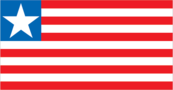
Geography
Agriculture
rubber, rice, oil palm, cassava, coffee, cocoa; imports of rice, wheat, and live cattle and beef are necessary for basic diet
Aid
economic commitments — Western (non-US), ODA and OOF (1970-82), $454 million; US authorizations (including Ex-Im) (FY70-83), $377 million; Communist (197079), $23.0 million; military commitments US (FY70-83), $44 million
Area
111,370 km2; slightly smaller than Pennsylvania; 40% forest, 30% jungle and swamp, 20% agricultural, 10% other
Branches
executive powers held by Head of State, assisted by appointed Cabinet; legislative powers held by Interim National Assembly; independent judiciary
Budget
(FY84-85) revenues, $315 million; current expenditures, $258 million; development expenditures, $113 million
Capital
Monrovia
Coastline
579 km People
Communists
no Communist Party and only a few sympathizers
Elections
military has set 6 January 1986 as the date for return to civilian rule; presidential and legislative elections scheduled for 20 October 1985 Political parties and leaders: 13 parties have formed since lifting of ban on politics in July 1984; chief among them are National Democratic Party of Liberia, headed by Samuel Doe; United People's Party, headed by Gabriel Baccus Matthews; Liberian People's Party, headed by Amos Sawyer; and Liberian Action Party, headed by Tuan Wreh
Electric power
370,000 kW capacity (1984); 1.134 billion kWh produced (1984), 525 kWh per capita
Ethnic divisions
95% indigenous African tribes, including Kpelle, Bassa, Gio, Kru, Grebo, Mano, Krahn, Gola, Gbandi, Loma, Kissi, Vai, and Bella; 5% descendants of repatriated slaves known as Americo-Liberians
Exports
$429 million (f.o.b., 1983); iron ore, rubber, diamonds, lumber and logs, coffee,
Fiscal year
1 July-30 June
Fishing
catch 13,553 metric tons (1982)
GDP
$1.06 billion (1982), $492 per capita; — 5% real annual growth rate (1982)
Government leader
Gen. Samuel Kanyon DOE, President, Interim National Assembly, and Commander in Chief of the Armed Forces (since April 1980)
Imports
$424 million (c.i.f., 1983); machinery, transportation equipment, petroleum products, manufactured goods, foodstuffs
Labor force
510,000, of which 160,000 are in monetary economy; non-African foreigners hold about 95% of the top-level management and engineering jobs; 70.5% agriculture, 10.8% services, 4.5% industry and commerce, 14.2% other
Land boundaries
1,336km Water
Language
English (official); more than 20 local languages of the Niger-Congo language group; English used by about 20%
Legal system
new constitution approved by nationwide referendum in July 1984 superceded old constitution (suspended in April 1980); judicial powers invested in People's Supreme Court and lower courts
Limits of territorial waters (claimed)
200
Literacy
24%
Major industries
rubber processing, food processing, construction materials, furniture, palm oil processing, mining (iron ore, diamonds)
Major trade partners
US, FRG, Netherlands, Italy, Belgium
Member of
Af DB, ECA, ECOWAS, FAO, G-77, IAEA, IBRD, ICAO, ICO, IDA, IFAD, IFC, ILO, IMF, IMO, INTERPOL, IPU, IRC, ITU, Mano River Union, NAM, OAU, UN, UNESCO, UPU, WHO, WMO Economy
Monetary conversion rate
uses the US dollar
National holiday
National Redemption Day, 12 April; Independence Day, 26 July
Nationality
noun — Liberian(s); adjective — Liberian
Official name
Republic of Liberia
Organized labor
2% of labor force Government
Political subdivisions
country divided into 12 counties
Population
2,232,000 (July 1985), average annual growth rate 3.3%
Religion
75% traditional, 15% Muslim, 10% Christian
Suffrage
universal at age 18 for property owners
Type
republic ifhder military rule since April 1980 .