1981 Edition
CIA World Factbook 1981 (Internet Archive)
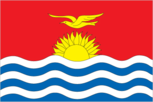
Geography
Aid
Western (non-US) commitments (ODA; 1979), $46.0 million; Australia (1980-83), $8.1 million committed
Area
- About 4,000 kmz
- 121,730 km2; 17% arable and cultivated, 74% in forest, scrub, and brush; remainder wasteland and urban
Budget
$15.2 million (1979)
Coastline
- about 2,525 km
- 2,495 km
Exports
$21.2 million (1978); 88% phosphate, 11.6% copra
Imports
$18.4 million (1978); foodstuffs, fuel, transportation equipment
Land boundaries
1,675 km
Limits of territorial waters
12 nm (fishing 200 nm; exclusive economic zone 200 nm)
Limits of territorial waters (claimed)
12 nm (economic, including fishing, 200 nm; military 50 nm)
Monetary conversion rate
0.90 Australian$=US$l
People and Society
Ethnic divisions
- 78% Polynesian, 12% Chinese, 6% local French, 4% metropolitan French
- racially homogeneous
Labor force
6.1 million; 48% agriculture, 52% nonagricultural; shortage of skilled and unskilled labor
Language
Korean
Literacy
90% (est.)
Nationality
- noun — French Polynesian(s); adjective — French Polynesian
- noun — Korean(s); adjective — Korean
Population
- 155,000 (July 1982), annual growth rate 2.2%
- 20,586,000 (July 1982), average annual growth rate 3.2%
Religion
- mainly Christian; 55% Protestant, 32% Catholic
- Buddhism and Confucianism; religious activities now almost nonexistent
Government
Branches
- 33-member Territorial Assembly, popularly elected; 5-member Council of Government, elected by Assembly; popular election of two deputies to National Assembly and one senator to Senate in Paris
- Supreme Peoples Assembly theoretically supervises legislative and judicial function; State Administration Council (cabinet) oversees ministerial operations KOREA, SOUTH
Capital
- Papeete
- P'yongyang
Elections
every five years, last in May 1977 Political parties and leaders: Le Front Uni, autonomist coalition, Francis Sanford; Tahoeraa Huiraatira, conservative Gaullist, Gaston Flosse Voting strength (1977 election): Le Front Uni, 14 seats; Tahoerra Huiraatira, 10 seats; independents, 9 seats
Government leader
High Commissioner and President of the Council of Government Paul NOIROT-COSSON, appointed by French Government
Legal system
- based on French; lower and higher courts
- based on German civil law system with Japanese influences and Communist legal theory; constitution adopted 1948 and revised 1972; no judicial review of legislative acts; has not accepted compulsory ICJ jurisdiction
National holiday
9 September
Official name
- Territory of French Polynesia
- Democratic People's Republic of Korea
Political subdivisions
- five districts
- nine provinces, three special cities (P'yongyang, Kaesong, and Chongjin)
Suffrage
universal adult
Type
- overseas territory of France
- Communist state; one-man rule
Economy
Agriculture
coconut main crop
Aid
France $91 million (1978)
Budget
$180 million in 1979; ODA and OOF commitments from Western (non-US countries)
Electric power
67,000 kW capacity (1981); 160 million kWh produced (1979), 1,074 kWh per capita
Exports
$21 million (1977); principal products — coconut products (79%), mother-of-pearl (14%), vanilla (1971)
GDP
$636.8 million (1976), $4,550 per capita
Imports
$419 million (1977); principal items — fuels, foodstuffs, equipment
Major industries
maintenance of French nuclear test base, tourism
Major trade partners
imports — 59% France, 14% US; exports — 86% France
Monetary conversion rate
100 CFP=1NZ$ (1971)
Communications
Airfields
38 total, 38 usable; 16 with permanent-surface runways, 2 with runways 2,440-3,659 m, 14 with runways 1,220-2,439 m
Civil air
- about 3 major transport aircraft
- 2 Trislanders, however, no major transport aircraft
Highways
- 3,700 km, all types
- 483 km of motorable roads
Inland waterways
small network of canals, totaling 5 km, in Northern Line Islands
Ports
- 1 major, 6 minor
- 3 minor
Railroads
none
Telecommunications
- 17,302 telephones (12.9 per 100 popl.); 72,000 radio and 14,000 TV sets; 5 AM, 2 FM, and 6 TV stations; 1 ground satellite station DEFENSE FORCES Defense is responsibility of France
- 1 AM broadcast station; 866 telephones (4.3 per 100 popl.)