2019 Edition
CIA World Factbook 2019 Archive (Wayback Machine)
Introduction
Background
The US annexed the reef in 1922. Its sheltered lagoon served as a way station for flying boats on Hawaii-to-American Samoa flights during the late 1930s. There are no terrestrial plants on the reef, which is frequently awash, but it does support abundant and diverse marine fauna and flora. In 2001, the waters surrounding the reef out to 12 nm were designated a US National Wildlife Refuge.
Geography
Area
- Land
- 1 sq km
- Total
- 1 sq km
- Water
- 0 sq km
Area Comparative
about 1.7 times the size of The Mall in Washington, DC
Climate
tropical; moderated by prevailing winds
Coastline
3 km
Environment Current Issues
illegal foreign fishing; marine debris washing up on reef can entangle and kill wildlife
Geographic Coordinates
6 24 N, 162 22 W
Geography Note
barren coral atoll with deep interior lagoon; closed to the public
Land Boundaries
0 km
Location
Oceania, reef in the North Pacific Ocean, about half way between Hawaii and American Samoa
Map References
Oceania
Maritime Claims
- Exclusive Economic Zone
- 200 nm
- Territorial Sea
- 12 nm
Natural Hazards
wet or awash most of the time, maximum elevation of about 1 meter makes Kingman Reef a maritime hazard
Natural Resources
terrestrial and aquatic wildlife
Terrain
low and nearly level
People and Society
Population
uninhabited
Government
Country Name
- Conventional Long Form
- none
- Conventional Short Form
- Kingman Reef
- Etymology
- although discovered in 1798, the reef is named after Captain W. E. KINGMAN who described it in 1853
Dependency Status
unincorporated territory of the US; administered from Washington, DC, by the US Fish and Wildlife Service of the Department of the Interior
Flag Description
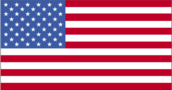
the flag of the US is used
Legal System
the laws of the US apply where applicable
Transportation
Ports And Terminals
none; offshore anchorage only
Military and Security
Military Note
defense is the responsibility of the US
Transnational Issues
Disputes International
none