1986 Edition
CIA World Factbook 1986 (Internet Archive)
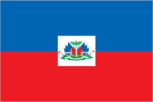
Geography
Agriculture
main crops — coffee, sugarcane, rice, corn, sorghum
Aid
economic — US commitments, including Ex-Im (FY70-84), $363 million; ODA
Area
27,749 km2; the size of Maryland; 44% unproductive, 31% cultivated, 18% rough pasture, 1% forest
Branches
interim government following the end of 29 years of Duvalier family rule; unicameral legislature (59-member National Assembly) suspended following coup; judiciary appointed by President before coup
Capital
Port-au-Prince
Coastline
1,771 km People
Communists
United Party of Haitian Communists (PUCH), Rene Theodore (party in exile in the Dominican Republic); Haitian Workers Party (PTH; pro-Chinese Marxist), Sergio Gilles
Elections
constitution as amended in 1983 named Jean-Claude Duvalier President for Life and granted him authority to name his successor; most recent legislative election held February 1984; talk of new elections in 18 to 24 months, following coup and Duvalier 's self-imposed exile Political parties and leaders: Haitian Christian Democratic Party (PDCN), Sylvio Claude; Haitian Social Christian Party (PSCH), Gregoire Eugene; Haitian Democratic Action (ADH), Alexandre LeCouge; National Rallying Democratic Party (PADRANA), Constant Pognon
Electric power
193,000 kW capacity (1985); 325 million kWh produced (1985), 56 kWh per capita
Ethnic divisions
95% black, 5% mulatto and European
Exports
$167.6 million (f.o.b., 1983); mangos, coffee, light industrial products, essential oils, sisal, sugar
GNP
$1.8 billion (FY84), $240 per capita; real growth rate 1984, 2.0%
Government leader
Lt. Gen. Henri NAMPHY, President, National Council of Government (CNG; since February 1986), two other CNG members, and 12-member cabinet
Imports
$284 million (f.o.b., 1982); consumer durables, foodstuffs, industrial equipment, petroleum products, construction materials
Infant mortality rate
107/1,000(1983)
Labor force
2.3 million (1982); 66% agriculture, 25% services, 9% industry; significant unemployment; shortage of skilled labor; unskilled labor abundant
Land boundary
361 km Water
Language
French (official) spoken by only 10% of population; all speak Creole
Legal system
based on Roman civil law system; constitution adopted 1964 and amended 1971 and 1983; legal education at State University in Port-au-Prince and private law colleges in Cap-Hai'tien, Les Cayes, Gonai'ves, and Jeremie; accepts compulsory ICJ jurisdiction
Life expectancy
45
Limits of territorial waters (claimed)
12 nm (200 nm exclusive economic zone)
Literacy
23%
Major industries
sugar refining, textiles, flour milling, cement manufacturing, bauxite mining, tourism, light assembly industries
Major trade partners
exports — 59% US; imports— 45% US (1978)
Member of
FAO, G-77, GATT, IADB, IAEA, IBA, IBRD, ICAO, ICO, IDA, IDE— Inter-American Development Bank, IFAD, IFC, ILO, IMF, IMO, INTELSAT, INTERPOL, IRC, ITU, OAS, PAHO, SELA, UN, UNESCO, UPU, WHO, WMO, WTO Economy
National holiday
Independence Day, 1 January
Nationality
noun — Haitian(s); adjective — Haitian
Natural resources
bauxite
Official name
Republic of Haiti
Organized labor
less than 1% of labor force Government
Other political or pressure groups
none
Political subdivisions
five departments (despite constitutional provision for nine)
Population
5,870,000 (July 1986), average annual growth rate 1.9%
Religion
75-80% Roman Catholic (of which an overwhelming majority also practice Voodoo), 10% Protestant, est. 10% other
Suffrage
universal over age 18
Type
republic
Voting strength
(1984 legislative elections) Assembly comprised of regime loyalists before coup