1987 Edition
CIA World Factbook 1987 (Internet Archive)
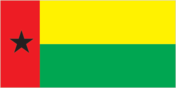
Geography
Climate
tropical; generally hot and humid; monsoonal-type rainy season (June to November) with southwesterly winds; dry season (December to May) with northeasterly harmattan winds
Coastline
350 km
Comparative area
about the size of Connecticut and New Hampshire combined
Environment
hot, dry, dusty harmattan haze may reduce visibility during dry season
Extended economic zone
200 nm
Land boundaries
740 km total
Land use
9% arable land; 1% permanent crops; 46% meadows and pastures; 38% forest and woodland; 6% other
Special notes
none
Terrain
mostly low coastal plain rising to savanna in east
Territorial sea
12 nm
Total area
- 100 km eee ee Arquipélago ~ dos Bijagés North Atlantic Ocean
- 36,120 km?; land area: 28,000 km?
People and Society
Ethnic divisions
about 99% African (80% Balanta, 20% Fula, 14% Manjaca, 13% Mandinga, 7% Papel); less than 1% European and mulatto
Infant mortality rate
250/1,000 (1982)
Labor force
90% agriculture; 5% industry, services, and commerce; 5% government
Language
Portuguese (official); Criolo and numerous African languages
Life expectancy
42
Literacy
9%
Nationality
noun—Guinea-Bissauan(s), adjective—Guinea-Bissauan
Population
928,425 (July 1987), average annual growth rate 2.36%
Religion
65% indigenous beliefs, 30% Muslim, 5% Christian
Government
Administrative divisions
9 regions, 3 circumscriptions (predominantly indigenous population)
Branches
President and Cabinet; 150member National Popular Assembly, overseen by 15-member Council of State
Capital
Bissau
Elections
legislative elections held March 1984; legislature elected Vieira to serve a five-year term as President in May 1984 Political parties and leaders: African Party for the Independence of GuineaBissau and Cape Verde (PAIGC), led by President Vieira, only legal party; GuineaBissau decided to retain the binational party title despite its formal break with
Government leader
Brig. Gen. Jodo Bernardo VIEIRA, President, Council of State (since November 1980)
Legal system
new constitution approved May 1984
National holiday
Independence Day, 24 September
Official name
Republic of Guinea-Bissau
Suffrage
universal over age 15
Type
republic; highly centralized oneparty regime since September 1974
Economy
Agriculture
rice, palm products, root crops, coconuts, peanuts, wood
Budget
revenues, $12.2 million; current expenditures, $27.4 million; investment expenditures, $27.9 million (1983 est.)
Electric power
22,000 kW capacity; 28 million kWh produced, 32 kWh per capita (1986)
Exports
$8.6 million (1983); principally peanuts; also palm kernels, shrimp, fish, lumber
Fishing
catch 6,000 metric tons (1983)
Imports
$57.1 million (1983); foodstuffs, manufactured goods, fuels, transport equipment
Major industries
agricultural processing, beer, soft drinks
Major trade partners
mostly Portugal, Spain, and other European countries
Monetary conversion rate
83.528 Guinea Bissauan pesos=US$1 (November 1984) Fiscal] year: calendar year
Natural resources
potential petroleum, bauxite, phosphates
Communications
Airfields
54 total, 89 usable; 5 with permanent-surface runways; 1 with runways 2,440-3,659 m, 6 with runways 1,220-2,439 m
Civil air
1 major transport aircraft
Highways
3,218 km (418 km bituminous, remainder earth)
Inland waterways
scattered stretches are important to coastal commerce
Ports
1 major (Bissau)
Railroads
none
Telecommunications
limited system of open-wire lines, radio-relay links, and radiocommunication stations; 3,000 telephones (0.5 per 100 popl.); 1 AM, 1 FM, no TV stations
Military and Security
Military manpower
males 15-49, 194,000; 110,000 fit for military service