1987 Edition
CIA World Factbook 1987 (Internet Archive)
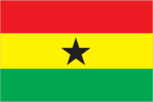
Geography
Climate
tropical; warm and comparatively dry along southeast coast; hot and humid in southwest, hot and dry in north
Coastline
539 km
Comparative area
slightly smaller than Oregon
Continental shelf
100 fathoms or to depth of exploitation
Environment
recent drought in north severely affecting marginal agricultural activities; deforestation; overgrazing; soil erosion; dry, northeasterly harmattan wind (January to March)
Land boundaries
2,285 km total
Land use
5% arable land; 7% permanent crops; 15% meadows and pastures; 837% forest and woodland; 36% other; includes NEGL% irrigated
Special notes
Lake Volta is world’s largest artificial lake
Terrain
mostly low plains with dissected plateau in south-central area
Territorial sea
200 nm
Total area
- 150 km Boilgatengs” Gulf of Guinaa
- 238,540 km?; land area: 230,020 km?
People and Society
Ethnic divisions
99.8% black African (major tribes Akan, Ewe, Ga), 0.2% European and other
Infant mortality rate
97/1,000 (1983)
Labor force
3.7 million; 54.7% agriculture and fishing; 18.7% industry; 15.2% sales and clerical; 7.7% services, transportation, and communications; 3.7% professional; 400,000 unemployed
Language
English (official); African languages include 44% Akan, 16% MoleDagbani, 18% Ewe, and 8% Ga-Adangbe
Life expectancy
49
Literacy
80%
Nationality
noun—Ghanaian(s); adjective—Ghanaian Ghana (continued)
Organized labor
467,000 (about 18% of labor force)
Population
13,948,925 (July 1987), average annual growth rate 2.89%
Religion
88% indigenous beliefs, 30% Muslim, 24% Christian, 8% other
Government
Administrative divisions
8 administrative regions and separate Greater Accra Area; regions subdivided into 58 districts and 267 loca] administrative districts
Branches
executive authority vested in seven-member Provisional National Defense Council (PNDC); on 21 January 1982 PNDC appointed secretaries to head most ministries
Capital
Accra
Communists
a small number of Communists and sympathizers
Elections
none scheduled since 1981 coup Political parties and leaders: political parties outlawed after 31 December 198] coup
Government leader
Flt. Lt. (Ret.) Jerry John RAWLINGS, Chairman of PNDC (since December 1981)
Legal system
based on English common law and customary law; has not accepted compulsory ICJ jurisdiction
Member of
Af{DB, Commonwealth, ECA, ECOWAS, FAO, G-77, GATT, IAEA, IBA, IBRD, ICAO, ICO, IDA, IFAD, IFC, 1LO, IMF, IMO, INTELSAT, INTERPOL, IRC, ISO, ITU, NAM, OAU, UN, UNESCO, UPU, World Confederation of Labor, WHO, WIPO, WMO, WTO
National holiday
Independence Day, 6 March
Official name
Republic of Ghana
Type
military; 31 December 1981 coup ended two-year-old civilian government, suspended constitution and political activity
Economy
Agriculture
main crop—cocoa; others— root crops, corn, sorghum, millet, coffee, peanuts; not self-sufficient but has that potential
Budget
revenues, $1.8 billion; expenditures and net lending, $3.5 billion (1981/82) ;
Electric power
1,200,000 kW capacity; 8,680 million kWh produced, 270 kWh per capita (1986)
Exports
$617 million (f.0.b., 1985); cocoa (about 60%), wood, gold, diamonds, manganese, bauxite, aluminum (aluminum regularly excluded from balance-ofpayments data)
Fiscal year
calendar year
Fishing
catch 241,000 metric tons (1982)
GNP
$10.5 billion; real growth rate —7.2% (1982 est.)
Imports
$731 million (c.i-f., 1985); textiles and other manufactured goods, food, fuels, transport equipment
Major industries
mining, lumbering, light manufacturing, fishing, aluminum
Major trade partners
UK, EC, US
Monetary conversion rate
90.09 cedis=US$1 (November 1986)
Natural resources
gold, timber, industrial diamonds, bauxite, manganese, fish
Communications
Airfields
10 total, 9 usable; 5 with permanent-surface runways; 2 with runways 2,440-3,659 m, 6 with runways 1,220-2,489 m
Civil air
4 major transport aircraft
Highways
32,250 km total; 6,084 km concrete or bituminous surface, 26,166 km gravel, laterite, and improved earth surfaces
Inland waterways
Volta, Ankobra, and Tano rivers provide 168 km of perennial navigation for launches and lighters; Lake Volta reservoir provides 1,125 km of arterial and feeder waterways
Pipelines
8 km (refined products)
Ports
2 major (Tema, Takoradi)
Railroads
953 km, all 1.067-meter gauge; 82 km double track; diesel locomotives gradually replacing steam engines
Telecommunications
fair system of open-wire and cable, radio-relay links; 68,900 telephones (0.6 per 100 popl.); 6 AM, 9 TV stations; 1 Atlantic Ocean satellite ground station
Military and Security
Branches
Army, Navy, Air Force, paramilitary Palace Guard, paramilitary People’s Militia
Military budget
for fiscal year ending 30 June 1984, $64.4 million; 8% of central government budget |
Military manpower
males 15-49, 8,203,000; 1,797,000 fit for military service; 162,000 reach military age (18) annually