1989 Edition
CIA World Factbook 1989 (Internet Archive)
Geography
Climate
- temperate; mild winters, cool summers; rainy, humid, cloudy
- generally cool winters and mild summers, but mild winters and hot summers along the Mediterranean
- temperate; mild, wet winters; hot, dry summers
- arctic to subarctic; cool summers, cold winters
- tropical; hot, humid; temperate interior
- varies from tropical along coast to arid in interior
- desert; continental (large daily and seasonal temperature ranges)
- tropical; little daily or seasonal temperature variation
- temperate with sharp regional contrasts
- temperate; cold, cloudy winters with frequent snow and fog; sunny summers with frequent showers and thunderstorms
- tropical
- temperate, temperature and precipitation vary with altitude, warm to hot summers, cool to mild winters
Coastline
- 64 km
- 3,427 km (includes Corsica, 644 km)
- 13,676 km
- 44,087 km
- 1,022 km
- 536 km
- none — landlocked
- 40 km
- 15,134 km
- 225 km
- 3.7 km
- none — landlocked
Comparative area
- slightly larger than Maryland
- slightly more than twice the size of Colorado
- slightly smaller than Alabama
- slightly more than three times the size of Texas
- slightly smaller than Connecticut
- slightly more than twice the size of Nevada
- slightly larger than Alaska
- about 0.6 times the size of Washington, DC
- about the size of Colorado
- slightly smaller than Oregon
- about 1 .7 times the size of The Mall in Washington, DC
- slightly larger than
- slightly larger than Delaware
Contiguous zone
- 1 2-24 nm
- 4 nm
- 1 2 nm
Continental shelf
- not specific
- 200 meters or to depth of exploitation
- 200 meters or to depth of exploitation
- edge of continental margin or 200 nm
- 200 meters or to depth of exploitation
- 200 meters or to depth of exploitation
Disputes
- maritime boundary dispute with Canada (St. Pierre and Miquelon); Madagascar claims Bassas da India, Europa Island, Glorioso Islands, Juan de Nova Island, and Tromelin Island; Comoros claims Mayotte; Mauritius claims Tromelin Island; Seychelles claims Tromelin Island; Suriname claims part of French Guiana; territorial claim in Antarctica (Adelie Land)
- complex maritime and air (but not territorial) disputes with Turkey in Aegean Sea; Cyprus question; Macedonia question with Bulgaria and Yugoslavia; Northern Epirus question with Albania
- Denmark has challenged Norway's maritime claims between Greenland and Jan Mayen
- international boundary and Administrative Boundary with Sudan; possible claim by Somalia based on unification of ethnic Somalis
- territorial claim in Antarctica (Ross Dependency)
- Transylvania question with Hungary; Bessarabia question with USSR
- claimed by Madagascar, Mauritius, and Seychelles
- Israeli occupied with status to be determined
Environment
- air and water pollution
- most of large urban areas and industrial centers in Rhone, Garonne, Seine, or Loire River basins; occasional warm tropical wind known as mistral
- subject to severe earthquakes; air pollution; archipelago of 2,000 islands
- sparse population confined to small settlements along coast; continuous permafrost over northern two-thirds of the island
- subject to hurricanes (especially July to November); deforestation; water pollution
- unique physiography supports abundant and varied wildlife of scientific and economic value; deforestation; soil erosion; desertification; glaciers on Mt. Kenya
- harsh and rugged
- subject to severe hurricanes from June to November
- earthquakes are common, though usually not severe
- frequent earthquakes most severe in south and southwest; geologic structure and climate promote landslides, air pollution in south
- wildlife sanctuary
- highlands are main recharge area for Israel's coastal aquifers
Exclusive fishing zone
- equidistant line with neighbors (extends about 68 km from coast)
- 200 nm
- 200 nm
Extended economic zone
- 200 nm
- 200 nm
- 200 nm
- 200 nm
- 200 nm
Fiscal year
calendar year
Flag
- the flag of France is used
- the flag of France is used
- the flag of France is used
Land boundaries
- 1,385 km total; France 620 km, Luxembourg 148 km, Netherlands 450 km, FRG 167 km
- 2,892.4 km total; Andorra 60 km, Belgium 620 km, FRG 451 km, Italy 488 km, Luxembourg 73 km, Monaco 4.4 km, Spain 623 km, Switzerland 573 km
- 1,228 km total; Albania 282 km, Bulgaria 494 km, Turkey 206 km, Yugoslavia 246 km
- none
- none
- 3,477 km total; Ethiopia 861 km, Somalia 682 km, Sudan 232 km, Tanzania 769 km, Uganda 933 km
- 8,1 14 km total; China 4,673 km, USSR 3,441 km
- none
- none
- 2,904 km total; Bulgaria 608 km, Hungary 443 km, USSR 1,307 km, Yugoslavia 546 km
- none
- 404 km total; Israel 307 km, Jordan 97 km;
Land use
- 24% arable land; 1% permanent crops; 20% meadows and pastures; 21% forest and woodland; 34% other; includes NEGL% irrigated
- 32% arable land; 2% permanent crops; 23% meadows and pastures; 27% forest and woodland; 16% other; includes 2% irrigated
- 23% arable land; 8% permanent crops; 40% meadows and pastures; 20% forest and woodland; 9% other; includes 7% irrigated
- 0% arable land; 0% permanent crops; 1% meadows and pastures; NEGL% forest and woodland; 99% other
- 19% arable land; 6% permanent crops; 18% meadows and pastures; 28% forest and woodland; 29% other; includes 3% irrigated
- 3% arable land; 1% permanent crops; 7% meadows and pastures; 4% forest and woodland; 85% other; includes NEGL% irrigated
- 1% arable land; 0% permanent crops; 79% meadows and pastures; 10% forest and woodland; 10% other; includes NEGL% irrigated
- 20% arable land; 0% permanent crops; 10% meadows and pastures; 40% forest and woodland; 30% other
- 2% arable land; 0% permanent crops; 53% meadows and pastures; 38% forest and woodland; 7% other; includes 1% irrigated
- 43% arable land; 3% permanent crops; 19% meadows and pastures; 28% forest and woodland; 7% other; includes 11% irrigated
- 0% arable land; 0% permanent crops; 0% meadows and pastures; 0% forest and woodland; 100% other — scattered bushes
- 27% arable land, 0% permanent crops, 32% meadows and pastures, 1% forest and woodland, 40% other
Maritime claims
- none — landlocked
- none — landlocked
Natural resources
- coal, natural gas
- coal, iron ore, bauxite, fish, timber, zinc, potash
- bauxite, lignite, magnesite, crude oil, marble
- zinc, lead, iron ore, coal, molybdenum, cryolite, uranium, fish
- bauxite, gypsum, limestone
- gold, limestone, diotomite, salt barytes, magnesite, feldspar, sapphires, fluorspar, garnets, wildlife
- coal, copper, molybdenum, tungsten, phosphates, tin, nickel, zinc, wolfram, fluorspar, gold
- negligible
- natural gas, iron ore, sand, coal, timber, hydropower, gold, limestone
- crude oil (reserves being exhausted), timber, natural gas, coal, iron ore, salt
- fish
- negligible
Note
- majority of West European capitals within 1 ,000 km of Brussels; crossroads of Western Europe; Brussels is the seat of the EC
- largest West European nation
- strategic location dominating the Aegean Sea and southern approach to Turkish Straits
- dominates North Atlantic Ocean between North America and Europe
- strategic location between Cayman Trench and Jamaica Channel, the main sea lanes for Panama Canal
- Kenyan Highlands one of the most successful agricultural production regions in Africa
- landlocked; strategic location between China and Soviet Union
- located 400 km southeast of Puerto Rico in the Caribbean Sea
- controls most easily traversable land route between the Balkans and western USSR
- located 350 km east of Madagascar and 600 km north of Reunion in the Indian Ocean; climatologically important location for forecasting cyclones
- The war between Israel and the Arab states in June 1967 ended with Israel in control of the West Bank and the Gaza Strip, the Sinai, and the Golan Heights. As stated in the 1978 Camp David Accords and reaffirmed by President Reagan's 1 September 1982 peace initiative, the final status of the West Bank and the Gaza Strip, their relationship with their neighbors, and a peace treaty between Israel and Jordan are to be negotiated among the concerned parties. Camp David further specifies that these negotiations will resolve the respective boundaries. Pending the completion of this process, it is US policy that the final status of the West Bank and the Gaza Strip has yet to be determined. In the view of the US, the term West Bank describes all of the area west of the Jordan River under Jordanian administration before the 1967 Arab-Israeli war. However, with respect to negotiations envisaged in the framework agreement, it is US policy that a distinction must be made between Jerusalem and the rest of the West Bank because of the city's special status and circumstances. Therefore, a negotiated solution for the final status of Jerusalem could be different in character from that of the rest of the West Bank.
- landlocked; there are 173 Jewish settlements in the West Bank and 14 Israeli-built Jewish neighborhoods in East Jerusalem
Terrain
- flat coastal plains in northwest, central rolling hills, rugged mountains of Ardennes Forest in southeast
- mostly flat plains or gently rolling hills in north and west; remainder is mountainous, especially Pyrenees in south, Alps in east
- mostly mountains with ranges extending into sea as peninsulas or chains of islands
- flat to gradually sloping icecap covers all but a narrow, mountainous, barren, rocky coast
- mostly mountains with narrow, discontinuous coastal plain
- low plains rise to central highlands bisected by Great Rift Valley; fertile plateau in west
- vast semidesert and desert plains; mountains in west and southwest; Gobi Desert in southeast
- volcanic islands, mostly mountainous, with small coastal lowland
- predominately mountainous with some large coastal plains
- central Transylvanian Basin is separated from the plain of Moldavia on the east by the Carpathian Mountains and separated from the Walachian Plain on the south by the Transylvanian Alps
- sandy
- mostly rugged dissected upland, some vegetation in west, but barren in east
Territorial sea
- 12 nm
- 1 2 nm
- 6 nm
- 3 nm
- 1 2 nm
- 1 2 nm
- 3 nm
- 1 2 nm
- 1 2 nm
- 1 2 nm
Total area
- 30,510 km2; land area: 30,230 km2
- 547,030 km2; land area: 545,630 km2; includes Corsica and the rest of metropolitan France, but excludes the overseas administrative divisions
- 131,940 km2; land area: 130,800km2
- 2,175,600 km2; land area: 34 1,700 km2 (ice free)
- 10,990 km2; land area: 10,830 km2
- 582,650 km2; land area: 569,250 km2
- 1,565,000 km2; land area: 1,565,000 km2
- 100 km2; land area: 100 km2
- 268,680 km2; land area: 268,670 km2; includes Antipodes Islands, Auckland Islands, Bounty Islands, Campbell Island, Chatham Islands, and Kermadec Islands
- 237,500 km2; land area: 230,340 km2
- 1 km2; land area: I km2
- 163,610 km2; land area: 155,360km2
- 5,860 km2; land area: 5,640 km2; includes West Bank, East Jerusalem, Latrun Salient, Jerusalem No Man's Land, and the northwest quarter of the Dead Sea, but excludes Mt. Scopus
Total area
- (1989), 4.1828 (1988), 4.3956 (1987), 5.0695(1986), 6.1979(1985)
- 150km Gull of
- 200km
- 200km ngalia See regional m»p V
- 200km Srr regional map VII Srr rrgional map VII
- 50l>m
People and Society
Birth rate
- 12 births/ 1,000 population (1990)
- 1 4 births/ 1 ,000 population (1990)
- 11 births/ 1,000 population (1990)
- 20 births/ 1,000 population (1990)
- 21 births/ 1,000 population (1990)
- 45 births/ 1 ,000 population (1990)
- 35 births/ 1,000 population (1990)
- 16 births/ 1, 000 population (1990)
- 16 births/ 1,000 population (1990)
- 16 births/ 1,000 population (1990)
- 37 births/ 1, 000 population (1990)
Death rate
- 1 1 deaths/ 1,000 population (1990)
- 9 deaths/ 1,000 population (1990)
- 9 deaths/ 1,000 population (1990)
- 8 deaths/ 1 ,000 population (1990)
- 5 deaths/ 1 ,000 population (1990)
- 7 deaths/ 1 ,000 population (1990)
- 8 deaths/ 1,000 population (1990)
- 10 deaths/ 1,000 population (1990)
- 8 deaths/ 1 ,000 population (1990)
- 10 deaths/ 1,000 population (1990)
- 6 deaths/ 1 ,000 population (1990)
Ethnic divisions
- 55% Fleming, 33% Walloon, 12% mixed or other
- Celtic and Latin with Teutonic, Slavic, North African, Indochinese, and Basque minorities
- Greek 98%, others 2%; note — the Greek Government states there are no ethnic divisions in Greece
- 86% Greenlander (Eskimos and Greenland-born Caucasians), 14% Danish
- 76.3% African, 15.1% Afro-European, 3.4% East Indian and Afro-East Indian, 3.2% white, 1.2% Chinese and Afro-Chinese, 0.8% other
- 21% Kikuyu, 14% Luhya, 13% Luo, 11% Kalenjin, 11% Kamba, 6% Kisii, 6% Meru, 1% Asian, European, and Arab
- 90% Mongol, 4% Kazakh, 2% Chinese, 2% Russian, 2% other
- mostly black with a few Europeans
- 88% European, 8.9% Maori, 2.9% Pacific Islander, 0.2% other
- 89.1% Romanian; 7.8% Hungarian; 1.5% German; 1.6% Ukrainian, Serb, Croat, Russian, Turk, and Gypsy
- 88% Palestinian Arab and other, 1 2% Jewish
Infant mortality rate
- 6 deaths/ 1,000 live births (1990)
- 6 deaths/ 1,000 live births (1990)
- 10 deaths/ 1,000 live births (1990)
- 28 deaths/ 1 ,000 live births (1990)
- 16 deaths/ 1,000 live births (1990)
- 60 deaths/ 1 ,000 live births (1990)
- 50 deaths/ 1 ,000 live births (1990)
- 9 deaths/ 1,000 live births (1990)
- 1 0 deaths/ 1 ,000 live births (1990)
- 19 deaths/ 1,000 live births (1990)
- 48 deaths/ 1,000 live births (1990)
Labor force
- 4,000,000; 58% services, 37% industry, 5% agriculture (1987) Organized labor 70% of labor force
- 24,170,000; 61.5% services, 31.3% industry, 7.3% agriculture (1987)
- 3,860,000; 43% services, 27% agriculture, 20% manufacturing and mining, 7% construction (1985)
- 22,800; largely engaged in fishing, hunting, sheep breeding
- 728,700; 32% agriculture, 28% industry and commerce, 27% services, 1 3% government; shortage of technical and managerial personnel (1984)
- 9,003,000; 78% agriculture, 22% nonagriculture (1987 est.)
- NA, but primarily agricultural; over half the adult population is in the labor force, including a large percentage of women; shortage of skilled labor Organized labor 425,000 members of the Central Council of Mongolian Trade Unions (CCMTU) controlled by the government (1984)
- 1,591,900; 67.4% services, 19.8% manufacturing, 9.3% primary production (1987) Organized labor 681,000 members; 43% of labor force (1986)
- 10,690,000; 34% industry, 28% agriculture, 38% other (1987)
- NA; excluding Israeli Jewish settlers — 29.8% small industry, commerce, and business, 24.2% construction, 22.4% agriculture, 23.6% service and other (1984)
Language
- 56% Flemish (Dutch), 32% French, 1% German; 1 1% legally bilingual; divided along ethnic lines
- French ( 1 00% of population); rapidly declining regional dialects (Provencal, Breton, Alsatian, Corsican, Catalan, Basque, Flemish)
- Greek (official); English and French widely understood
- Eskimo dialects, Danish
- English, Creole
- English and Swahili (official); numerous indigenous languages
- Khalkha Mongol used by over 90% of population; minor languages include Turkic, Russian, and Chinese
- English MontSCrrat (continued)
- English (official), Maori
- Romanian, Hungarian, German
- Arabic, Israeli settlers speak Hebrew, English widely understood
Life expectancy at birth
- 73 years male, 80 years female (1990)
- 73 years male, 82 years female (1990)
- 75 years male, 80 years female (1990)
- 62 years male, 68 years female (1990)
- 75 years male, 79 years female (1990)
- 62 years male, 67 years female (1990)
- 62 years male, 67 years female (1990)
- 74 years male, 80 years female (1990)
- 72 years male, 78 years female (1990) New Zealand (continued)
- 69 years male, 75 years female (1990)
- 65 years male, 68 years female (1990)
Literacy
- 98%
- 99%
- 95%
- 99%
- 74%
- 59.2%
- 80% (est.); 100% claimed (1985)
- 99%
- 98%
- NA%
Nationality
- noun — Belgian(s); adjective — Belgian
- noun — Frenchman(men), Frenchwoman(women); adjective — French
- noun — Greek(s); adjective — Greek
- noun — Greenlander(s); adjective— Greenlandic
- noun — Jamaican(s); adjective— Jamaican
- noun — Kenyan(s); adjective — Kenyan
- noun — Mongolian(s); adjective— Mongolian
- noun — Montserratian(s); adjective— Montserratian
- noun — New Zealander(s); adjective— New Zealand
- noun — Romanian(s); adjective— Romanian
- NA
Net migration rate
- 0 migrants/ 1 ,000 population (1990)
- 0 migrants/ 1,000 population (1990)
- 0 migrants/ 1 ,000 population (1990)
- 0 migrants/ 1 ,000 population (1990)
- -10 migrants/ 1 ,000 population (1990)
- 0 migrants/ 1 ,000 population (1990)
- 0 migrants/ 1,000 population (1990)
- —4 migrant/ 1,000 population (1990)
- —3 migrant/ 1,000 population (1990)
- — 1 migrants/ 1 ,000 population (1990)
- — 5 migrants/ 1 ,000 population (1990)
Organized labor
- 20% of labor force (est.)
- 10-15% of total labor force, 20-25% of urban labor force
- NA
- 25% of labor force (1989)
- 390,000 (est.)
- until December 1989, a single trade union system organized by the General Confederation of Romanian Trade Unions (UGSR) under control of the Communist Party; since Ceau$escu's overthrow, newly-created trade and professional trade unions are joining two rival umbrella organizations — Organization of Free Trade Unions and Fratia (Brotherhood)
- NA
Population
- 9,909,285 (July 1990), growth rate 0.1% (1990)
- 56,358,331 (July 1990), growth rate 0.4% (1990)
- 10,028,171 (July 1990), growth rate 0.2% (1990)
- 56,078 (July 1990), growth rate 1.2% (1990)
- 2,441,396 (July 1990), growth rate 0.6% (1990)
- 24,639,261 (July 1990), growth rate 3.8% (1990)
- 2,187,275 (July 1990), growth rate 2.7% (1990)
- 12,467 (July 1990), growth rate 0.3% (1990)
- 3,295,866 (July 1990), growth rate 0.4% (1990)
- 23,273,285 (July 1990), growth rate 0.5% (1990)
- uninhabited
- 1,058,122 (July 1990), growth rate 2.6% (1990); in addition, there are 70,000 Jewish settlers in the West Bank and 110,000 in East Jerusalem (1989 est.)
Religion
- 75% Roman Catholic; remainder Protestant or other
- 90% Roman Catholic, 2% Protestant, 1% Jewish, 1% Muslim (North African workers), 6% unaffiliated
- 98% Greek Orthodox, 1.3% Muslim, 0.7% other
- Evangelical Lutheran
- predominantly Protestant (including Anglican and Baptist), some Roman Catholic, some spiritualist cults
- 38% Protestant, 28% Roman Catholic, 26% indigenous beliefs, 6% Muslim
- predominantly Tibetan Buddhist, about 4% Muslim, limited religious activity because of Communist regime
- Anglican, Methodist, Roman Catholic, Pentecostal, Seventh-Day Adventist, other Christian denominations
- 81% Christian, 18% none or unspecified, 1% Hindu, Confucian, and other
- 80% Romanian Orthodox; 6% Roman Catholic; 4% Calvinist, Lutheran, Jewish, Baptist
- 80% Muslim (predominantly Sunni), 12% Jewish, 8% Christian and other
Total fertility rate
- 1 .6 children born/ woman (1990)
- 1 .8 children born/ woman (1990)
- 1 .5 children born/ woman (1990)
- 2.2 children born/ woman (1990)
- 2.3 children born/ woman (1990)
- 6.5 children born/ woman (1990)
- 4.7 children born/ woman (1990)
- 2.2 children born/ woman (1990)
- 2.0 children born/ woman (1990)
- 2.2 children born/ woman (1990)
- 5.0 children born/ woman (1990)
Government
Administrative divisions
- 9 provinces (French — provinces, singular — province; Flemish — provinci6n, singular — provincie); Antwerpen, Brabant, Hainaut, Liege, Limburg, Luxembourg, Namur, Oost-Vlaanderen, West-Vlaanderen
- metropolitan France — 22 regions (regions, singular — region); Alsace, Aquitaine, Auvergne, Basse-Normandie, Bourgogne, Bretagne, Centre, Champagne-Ardenne, Corse, Franche-Comte, Haute-Normandie, Ilede-France, Languedoc-Roussillon, Limousin, Lorraine, Midi-Pyrenees, Nord-Pasde-Calais, Pays de la Loire, Picardie, Poitou-Charentes, Provence-Alpes-Cote d'Azur, Rhone-Alpes; note — the 22 regions are subdivided into 96 departments; see separate entries for the overseas departments (French Guiana, Guadeloupe, Martinique, Reunion) and the territorial collectivities (Mayotte, St. Pierre and Miquelon)
- 5 1 departments (nomoi, singular — nomos); Aitolia kai Akarnania, Akhaia, Argolis. Arkadhia, Arta, Attiki, Dhodhekanisos, Drama, Evritania, Evros, Ewoia, Fiorina, Fokis, Fthiotis, Grevena, Ilia, Imathia, loannina, Iraklion, Kardhitsa, Kastoria, Kavala, Kefallinia. Kerkira, Khalkidhiki, Khania, Khios, Kikladhes, Kilkis, Korinthia, Kozani, Lakonia, Larisa, Lasithi, Lesvos, Levkas, Magnisia, Messinia, Pella, Pieria, Preveza, Rethfmni, Rodhopi, Samos, Serrai, Thesprotia, Thessaloniki, Trfkala, Voiotia, Xanthi, Zakinthos
- 3 municipalities (kommuner, singular — kommun); Nordgronland, 0stgr0nland, Vestgrenland
- 14 parishes; Clarendon, Hanover, Kingston, Manchester, Portland, Saint Andrew, Saint Ann, Saint Catherine, Saint Elizabeth, Saint James, Saint Mary, Saint Thomas, Trelawny, Westmoreland
- 7 provinces and 1 area*; Central, Coast, Eastern, Nairobi Area*, North-Eastern, Nyanza, Rift Valley, Western
- 18 provinces (aymguud, singular — aymag) and 3 municipalities* (hotuud, singular — hot); Arhangay, Bayanhongor, Bayan-Olgiy, Bulgan, Darhan*, Dornod, Dornogovl, Dundgovi, Dzavhan, Erdenet*, Govi-Altay,_Hentiy, Hovd, Hovsgol, Omnogovi, 6v6rhangay, Selenge, Suhbaatar, Tov, Ulaanbaatar*, Uvs
- 93 counties, 9 districts*, and 3 town districts**; Akaroa, Amuri, Ashburton, Bay of Islands, Bruce, Buller, Chatham Islands, Cheviot, Clifton, Clutha, Cook, Dannevirke, Egmont, Eketahuna, Ellesmere, Eltham, Eyre, Featherston. Franklin, Golden Bay, Great Barrier Island, Grey, Hauraki Plains, Hawera*, Hawke's Bay, Heathcote, Hikurangi**, Hobson, Hokianga, Horowhenua, Hurunui, Hutt, Inangahua, Inglewood, Kaikoura, Kairanga, Kiwitea, Lake, Mackenzie, Malvern, Manaia**, Manawatu, Mangonui, Maniototo, Marlborough, Masterton, Matamata, Mount Herbert, Ohinemuri, Opotiki, Oroua, Otamatea, Otorohanga*, Oxford, Pahiatua, Paparua, Patea, Piako, Pohangina, Raglan, Rangiora*, Rangitikei, Rodney, Rotorua*, Runanga, Saint Kilda, Silverpeaks, Southland, Stewart Island, Stratford, Strathallan, Taranaki, Taumarunui, Taupo, Tauranga, Thames-Coromandel*, Tuapeka, Vincent, Waiapu, Waiheke, Waihemo, Waikato, Waikohu, Waimairi, Waimarino, Waimate, Waimate West, Waimea, Waipa, Waipawa*, Waipukurau*, Wairarapa South, Wairewa, Wairoa, Waitaki, Waitomo*, Waitotara, Wallace, Wanganui, Waverley**, Westland, Whakatane*, Whangarei, Whangaroa, Woodville
- 40 counties (judete, singular — judet) and 1 municipality* (municipiu); Alba, Arad, Arges, Bacau, Bihor, Bistrita-Nasaud, Botosani, Braila, Brasov, Bucuresti*, Buzau, Caiarasj, Cara$-Severin, Cluj, Constanta, Covasna, Dimbovita, Dolj, Galaji, Gorj, Giurgiu, Harghita, Hunedoara, lalomita, Ia$i, Maramures,, Mehedinti, Mures, Neamt, Olt, Prahova, Saiaj, Satu Mare, Sibiu, Suceava, Teleorman, Timis, Tulcea, Vaslui, Vilcea, Vrancea
Capital
- Brussels
- Paris
- Athens
- Nuuk (Godthdb)
- Kingston
- Nairobi
- Ulaanbaatar
- Wellington
- Bucharest
Communists
- under 5,000 members (December 1985 est.)
- 700,000 claimed but probably closer to 1 50,000; Communist voters, 2.8 million in 1988 election
- an estimated 60,000 members and sympathizers
- Workers' Party of Jamaica (MarxistLeninist)
- may be a few Communists and sympathizers
- MPRP membership 88,150 (1986est.)
- SUP about 1 40, other groups, about 200
- 3,400,000 (November 1984); Communist Party has ceased to exist
Constitution
- 7 February 1831, last revised 8-9 August 1 980; the government is in the process of revising the Constitution, with the aim of federalizing the Belgian state
- 28 September 1958, amended concerning election of president in 1962
- 11 June 1975
- Danish
- 6 August 1962
- 12 December 1963, amended as a republic 1964; reissued with amendments 1979, 1983, 1986, and 1988
- 6 July 1960
- no formal, written constitution; consists of various documents, including certain acts of the UK and New Zealand Parliaments; Constitution Act 1986 was to have come into force 1 January 1987, but has not been enacted
- 21 August 1965; new constitution being drafted
Dependent areas
- Bassas da India, Clipperton Island, Europa Island, French Polynesia, French Southern and Antarctic Lands, Glorioso Islands, Juan de Nova Island, New Caledonia, Tromelin Island, Wallis and Futuna
- Cook Islands, Niue, Tokelau
Diplomatic representation
- Ambassador Herman DEHENNIN; Chancery at 3330 Garfield Street NW, Washington DC 20008; telephone (202) 333-6900; there are Belgian Consulates General in Atlanta, Chicago, Houston, Los Angeles, and New York; US — Ambassador Maynard W. GLITMAN; Embassy at 27 Boulevard du Regent, B-1000 Brussels (mailing address is APO New York 09667); telephone [32] (2) 513-3830; there is a US Consulate General in Antwerp
- Ambassador Jacques ANDREANI; Chancery at 4101 Reservoir Road NW, Washington DC 20007; telephone (202) 944-6000; there are French Consulates General in Boston, Chicago, Detroit, Houston, Los Angeles, New Orleans, Miami, New York, San Francisco, and San Juan (Puerto Rico); US— Ambassador Walter J. P. CURLEY; Embassy at 2 Avenue Gabriel, 75382 Paris Cedex 08 (mailing address is APO New York 09777); telephone [33] (1) 4296-12-02 or 42-61-80-75; there are US Consulates General in Bordeaux, Lyon, Marseille, and Strasbourg
- Ambassador Christos ZACHARAKIS; Chancery at 2221 Massachusetts Avenue NW, Washington DC 20008; telephone (202) 6673168; there are Greek Consulates General in Atlanta, Chicago, Los Angeles, New York, and San Francisco, and Consulates in Boston and New Orleans; US — Ambassador Michael G. SOTIRHOS; Embassy at 91 Vasilissis Sophias Boulevard, 10160 Athens (mailing address is APO New York 09253); telephone [30] (1) 721-2951 or 721-8401; there is a US Consulate General in Thessaloniki
- none (self-governing overseas administrative division of Denmark)
- Ambassador Keith JOHNSON; Chancery at Suite 355, 1850 K Street NW, Washington DC 20006; telephone (202) 452-0660; there are Jamaican Consulates General in Miami and New York; US — Ambassador Glen HOLDEN; Embassy at 3rd Floor, Jamaica Mutual Life Center, 2 Oxford Road, Kingston; telephone [809] 929-4850
- Ambassador Denis Daudi AFANDE; Chancery at 2249 R Street NW, Washington DC 20008; telephone (202) 387-6101; there are Kenyan Consulates General in Los Angeles and New York; US — Ambassador Smith HEMPSTONE; Embassy at the corner of Moi Avenue and Haile Selassie Avenue, Nairobi (mailing address is P. 0. Box 30137, Nairobi or APO New York 09675); telephone [254] (2) 334141; there is a US Consulate in Mombasa
- Ambassador Gendengiin NYAMDOO; US— Ambassador Richard L. WILLIAMS
- Ambassador Harold Huyton FRANCIS; Chancery at 37 Observatory Circle NW, Washington DC 20008; telephone (202) 328-4800; there are New Zealand Consulates General in Los Angeles and New York; US — Ambassador Delia NEWMAN; Embassy at 29 Fitzherbert Terrace, Thorndon, Wellington (mailing address is Private Bag, Wellington, or FPO San Francisco 96690-0001); telephone [64] (4) 722-068; there is a US Consulate General in Auckland
- Ambassador Virgil CONSTANTINESCU; Chancery at 1607 23rd Street NW, Washington DC 20008; telephone (202) 232-4747; US— Ambassador Alan GREEN, Jr.; Embassy at Strada Tudor Arghezi 7-9, Bucharest (mailing address is APO New York 09213); telephone [40] (0) 10-40-40
Elections
- Senate — last held 13 December 1987 (next to be held December 1991); results— CVP 19.2%, PS 15.7%, SP 14.7%, PVV 11.3%, PRL 9.3%, VU 8.1%, PSC 7.8%, ECOLO-AGALEV 7.7%, VB 2.0%, VDF 1.3%, other 1.96%; seats— (106 total) CVP 22, PS 20, SP 17, PRL 12, PVV 11, PSC 9, VU 8, ECOLO-AGALEV 5, VB 1, FDF 1; Chamber of Representatives — last held 1 3 December 1 987 (next to be held December 1991); results— CVP 19.45%, PS 15.66%, SP 14.88%, PVV 11.55%, PRL 9.41%, PSC 8.01%, VU 8.05%, ECOLOAGALEV 7.05%, VB 1.90%, FDF 1.16%, other 2.88%; seats— (212 total) CVP 43, PS 40, SP 32, PVV 25, PRL 23, PSC 19, VU 16, ECOLO-AGALEV 9, FDF 3, VB
- President — last held 8 May 1988 (next to be held May 1995); results — Second Ballot Francois Mitterrand 54%, Jacques Chirac 46%; Senate— test held 24 September 1989 (next to be held September 1992); results — percent of vote by party NA; seats — (321 total; 296 metropolitan France, 1 3 for overseas departments and territories, and 12 for French nationals abroad) RPR 93, UDF 143 (PR 53, CDS 65, RAD 25), PS 64, PCF 16, independents 2, unknown 3; National Assembly — last held 5 and 1 2 June 1988 (next to be held June 1993); results — Second Ballot PS-MRG 48.7%, RPR 23.1%, UDF 21%, PCF 3.4%, other 3.8%; seats— (577 total) PS 275, RPR 132, UDF 90, UDC 40, PCF 25, independents 15
- President— last held 30 March 1985 (next to be held after 8 April 1990 parliamentary election); results — Christos Sartzetakis was elected by Parliament;
- Parliament — last held on 27 May 1987 (next to be held by 27 May 1991); results — Siumut 39.8%, Atassut Party 40.1%, Inuit Ataqatigiit 15.3%, Polar Party 4.5%; seats — (27 total) Siumut 11, Atassut Party 11, Inuit Ataqatigiit 4, Polar Party 1; Danish Parliament — last held on 10 May 1988 (next to be held by 10 May 1992); Greenland elects two representatives to the Danish Parliament; results — (percent of vote by party NA; seats — (2 total) number of seats by party NA
- House of Representatives — last held 9 February 1989 (next to be held by February 1994); results— PNP 57%, JLP 43%; seats— (60 total) PNP 45, JLP 15
- President — last held on 21 March 1 988 (next to be held February 1993); results— President Daniel T. arap Moi was reelected; Kenya (continued) National Assembly — last held on 21 March 1988 (next to be held March 1993); results— KANU is the only party; seats— (202 total, 188 elected) KANU 200
- President — last held 2 1 March 1990 (next to be held July 1991); results— Punsalmaagiyn Ochirbat elected by the People's Great Hural; Montserrat (dependent territory of the UK) People's Great Hural — last held on 22 June 1986 (next to be held June 1990); results — MPRP was the only party; seats— (370 total) MPRP 370
- House of Representatives — last held on 15 August 1987 (next to be held by August 1990); results— LP 47%, NP 45%, DP 6%; seats— (97 total) LP 58, NP
- Senate — elections for the new upper house to be held 20 May 1990; House of Deputies — elections for the new lower house to be held 20 May 1990
Executive branch
- monarch, prime minister, five deputy prime ministers, Cabinet
- president, prime minister, Council of Ministers (cabinet)
- president, prime minister, Cabinet
- Danish monarch, high commissioner, home rule chairman, prime minister, Cabinet (Landsstyre)
- British monarch, governor general, prime minister, Cabinet
- president, vice president, Cabinet
- chairman and deputy chairman of the Presidium of the People's Great Rural, Presidium of the People's Great Hural, chairman of the Council of Ministers, Council of Ministers (cabinet)
- British monarch, governor general, prime minister, deputy prime minister, Cabinet
- president, vice president, prime minister, and Council of Ministers (cabinet) appointed by provisional government
Flag
- three equal vertical bands of black (hoist side), yellow, and red; the design was based on the flag of France
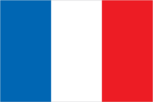
- three equal vertical bands of blue (hoist side), white, and red; known as the French Tricouleur (Tricolor); the design and colors have been the basis for a number of other flags, including those of Belgium, Chad, Ireland, Ivory Coast, and Luxembourg; the official flag for all French dependent areas
- nine equal horizontal stripes of blue (top and bottom) alternating with white; there is a blue square in the upper hoistside corner bearing a white cross; the cross symbolizes Christianity, the established religion of the country
- the flag of Denmark is used
- diagonal yellow cross divides the flag into four triangles — green (top and bottom) and black (hoist side and fly side)
- three equal horizontal bands of black (top), red, and green; the red band is edged in white; a large warrior's shield covering crossed spears is superimposed at the center
- three equal, vertical bands of red (hoist side), blue, and red; centered on the hoist-side red band in yellow is a five-pointed star above the national emblem (soyombo — a columnar arrangement of abstract and geometric representations for fire, sun, moon, earth, water, and the yin-yang symbol)
- blue with the flag of the UK in the upper hoist-side quadrant with four red five-pointed stars edged in white centered in the outer half of the flag; the stars represent the Southern Cross constellation
- three equal vertical bands of blue (hoist side), yellow, and red; the national coat of arms that used to be centered in the yellow band, has been removed; now similar to the flags of Andorra and Chad
Independence
- 4 October 1830 (from the Netherlands)
- unified by Clovis in 486, First Republic proclaimed in 1 792
- 1 827 (from the Ottoman Empire)
- part of the Danish realm; self-governing overseas administrative division
- 6 August 1962 (from UK)
- 12 December 1963 (from UK; formerly British East Africa)
- 13 March 1921 (from China; formerly Outer Mongolia)
- 26 September 1907 (from UK)
- 1881 (from Turkey); republic proclaimed 30 December 1947
Judicial branch
- Supreme Court of Justice (Flemish — Hof van Cassatie, French — Cour de Cassation)
- Court of Cassation (Cour de Cassation)
- Supreme Court
- High Court (Landsret)
- Supreme Court
- Court of Appeal, High Court
- Supreme Court
- High Court, Court of Appeal
- Supreme Court of Justice
Leaders
- Chief of State— King BAUDOUIN I (since 17 July 1951); Heir Apparent Prince ALBERT of Liege (brother of the King; born 6 June 1934); Head of Government — Prime Minister Wilfried MARTENS, (since April 1979, with a 10-month interruption in 1981) Political parties and leaders: Flemish Social Christian (CVP), Herman van Rompuy, president; Walloon Social Christian (PSC), Gerard Deprez, president; Flemish Socialist (SP), Frank Vandenbroucke, president; Walloon Socialist (PS), Guy Spitaels, president; Flemish Liberal (PVV), Guy Verhofstadt, president; Walloon Liberal (PRL), Antoine Duquesne, president; Francophone Democratic Front (PDF), Georges Clerfayt, president; Volksunie (VU), Jaak Gabriels, president; Communist Party (PCB), Louis van Geyt, president; Vlaams Blok (VB), Karel Dillen; other minor parties
- Chief of State — President Francois MITTERRAND (since 21 May 1981); Head of Government — Prime Minister Michel ROCARD (since 10 March 1988) Political parties and leaders: Rally for the Republic (RPR, formerly UDR), Jacques Chirac; Union for French Democracy (UDF, federation of PR, CDS, and RAD), Valery Giscard d'Estaing; Republicans (PR), Francois Leotard; Center for Social Democrats (CDS), Pierre Mehaignerie; Radical (RAD), Yves Gallard; Socialist Party (PS), Pierre Mauroy; Left Radical Movement (MRG), Yves Collin; Communist Party (PCF), Georges Marchais; National Front (FN), Jean-Marie Le Pen
- Chief of State — President Christos SARTZETAKIS (since 30 March 1985); Head of Government — Prime Minister Constantin MITSOTAKIS (since 1 1 April 1990) Political parties and leaders: New Democracy (ND; conservative), Constantine Mitsotakis; Panhellenic Socialist Movement (PASOK), Andreas Papandreou; Democratic Renewal (DR), Constantine Stefanopoulos; Communist Party (KKE), Grigorios Farakos; Greek Left Party (EAR), Leonidas Kyrkos; KKE and EAR have joined in the Left Alliance, Harilaos Florakis, president
- Chief of State — Queen MARGRETHE II (since 14 January 1972), represented by High Commissioner Bent KLINTE (since NA); Head of Government — Home Rule Chairman Jonathan MOTZFELDT (since NA May 1979)
- Chief of St ate— Queen ELIZABETH II (since 6 February 1952), represented by Governor General Sir Florizel A. GLASSPOLE (since 2 March 1973); Head of Government — Prime Minister Michael MANLEY (since 9 February 1989) Political parties and leaders: People's National Party (PNP), Michael Manley; Jamaica Labor Party (JLP), Edward Seaga; Workers' Party of Jamaica (WPJ), Trevor Munroe
- Chief of State and Head of Government— President Daniel Teroitich arap MOI (since 14 October 1978); Vice President George SAITOTI (since 10 May 1989) Political parties and leaders: only party — Kenya African National Union (KANU), Daniel T. arap Moi, president
- Chief of State — Chairman of the Presidium of the People's Great Hural Punsalmaagiyn OCHIRBAT (since 21 March 1990); Head of Government — Chairman of the Council of Ministers Sharabyn GUNGAADORJ (since 21 March 1990); Political parties and leaders: only party — Mongolian People's Revolutionary Party (MPRP), Gombojabin Ochirbat, General Secretary
- Chief of State— Queen ELIZABETH II ( since 6 February 1952), represented by Governor General The Most Rev. Sir Paul REEVES (since 20 November 1985); Head of Government — Prime Minister Geoffrey PALMER (since 8 August 1989); Deputy Prime Minister Helen CLARK (since 8 August 1989) Political parties and leaders: New Zealand Labor Party (NZLP; government), Geoffrey Palmer; National Party (NP; opposition), Jim Bolger; Democratic Party, Neil Morrison; Socialist Unity Party (SUP; pro-Soviet), Ken Douglas
- Chief of State— President of Provisional Council of National Unity Ion ILIESCU (since 23 December 1989); Head of Government — Prime Minister of Council of Ministers Petre ROMAN (since 23 December 1989) Political parties and leaders: Social Democratic Party, Sergiu Cunes'cu; National Liberal Party, Radu Cimpeanu; National Christian Peasants Party, Corneliu Coposu; Free Democratic Social Justice Party, Gheorghe Susana; several others being formed; Communist Party has ceased to exist; formation of left-wing parties is uncertain
Legal system
- civil law system influenced by English constitutional theory; judicial review of legislative acts; accepts compulsory ICJ jurisdiction, with reservations
- civil law system with indigenous concepts; review of administrative but not legislative acts
- NA
- Danish
- based on English common law; has not accepted compulsory ICJ jurisdiction
- based on English common law, tribal law, and Islamic law; judicial review in High Court; accepts compulsory ICJ jurisdiction, with reservations; constitutional amendment in 1982 made Kenya a de jure one-party state
- blend of Russian, Chinese, and Turkish systems of law; no constitutional provision for judicial review of legislative acts; has not accepted compulsory ICJ jurisdiction
- based on English law, with special land legislation and land courts for Maoris; accepts compulsory ICJ jurisdiction, with reservations
- former mixture of civil law system and Communist legal theory that increasingly reflected Romanian traditions is being revised; Communist regime had not accepted compulsory ICJ jurisdiction; Provisional Council of National Unity will probably accept ICJ jurisdiction Romania (continued)
Legislative branch
- bicameral Parliament consists of an upper chamber or Senate (Flemish — Senaat, French — Senat) and a lower chamber or Chamber of Representatives (Flemish — Kamer van Volksvertegenwoordigers, French — Chambre des Representants)
- bicameral Parliament (Parlement) consists of an upper house or Senate (Senat) and a lower house or National Assembly (Assemblee Nationale)
- unicameral Parliament (Vouli)
- unicameral Parliament (Landsting)
- bicameral Parliament consists of an upper house or Senate and a lower house or House of Representatives
- unicameral National Assembly
- unicameral People's Great Hural
- unicameral House of Representatives (commonly called Parliament)
- bicameral Parliament consists of an upper house or Senate (Senat) and a lower house or House of Deputies (Adunarea Dcputatilor)
Long-form name
- Kingdom of Belgium
- French Republic
- Hellenic Republic
- none
- none
- Republic of Kenya
- Mongolian People's Republic; abbreviated MPR
- none; abbreviated NZ
- none
- none
- none
Member of
- ADB, Benelux, BLEU, CCC, Council of Europe, DAC, EC, ECE, ECOSOC, EIB, EMS, ESA, GATT, IAEA, IBRD, ICAC, ICAO, ICES, ICO, IDA, IDB — Inter-American Development Bank, IEA, IFAD, IFC, ILO, ILZSG, IMF, IMO, INTELSAT, INTERPOL, IOOC, IPU, ITC, ITU, NATO, OAS (observer), OECD, UN, UNESCO, UPU, WEU, WHO, WIPO, WMO, WSG
- ADB, CCC, Council of Europe, DAC, EC, EIB, EMA, EMS, ESA, ESCAP, FAO, GATT, IAEA, IATP, IBRD, ICAC, ICAO, ICES, ICO, IDA, IDB — InterAmerican Development Bank, IFAD, IFC, IHO, ILO, ILZSG, IMF, IMO, INTELSAT, INTERPOL, IOOC, IPU, IRC, ISO, ITC, ITU, IWC— International Whaling Commission, NATO (signatory), OAS (observer), OECD, SPC, UN, UNESCO, UPU, WEU, WFTU, WHO, WIPO, WMO, WSG, WTO
- CCC, EC, EIB (associate), FAO, GATT, IAEA, IBRD, ICAO, IDA, IFAD, IFC, IHO, ILO, IMF, IMO, INTELSAT, INTERPOL, IOOC, ITU, IWC — International Wheat Council, NATO, OECD, UN, UNESCO, UPU, WHO, WIPO, WMO, WSG, WTO
- ACP, CARICOM, CCC, Commonwealth, FAO, G-77, GATT, IADB, IAEA, IBA, IBRD, ICAO, ICO, IDB — Inter-American Development Bank, IFAD, IFC, ILO, IMF, IMO, INTELSAT, INTERPOL, ISO, ITU, NAM, OAS, PAHO, SELA, UN, UNESCO, UPU, WFTU, WHO, WIPO, WMO, WTO
- ACP, AfDB, CCC, Commonwealth, FAO, G-77, GATT, IAEA, IBRD, ICAO, ICO, IDA, IFAD, IFC, ILO, IMF, I MO, INTELSAT, INTERPOL, IRC, ISO, ITU, IWCInternational Wheat Council, NAM, OAU, UN, UNDP, UNESCO, UPU, WHO, WIPO, WMO, WTO
- CEMA, ESCAP, FAO, IAEA, ILO, IPU, ITU, UN, UNESCO, UPU, WFTU, WHO, WIPO, WMO
- ADB, ANZUS, ASPAC, CCC, Colombo Plan, Commonwealth, DAC, ESCAP, FAO, GATT, IAEA, IBRD, ICAO, ICO, IDA, IEA, IFAD, IFC, IHO, ILO, IMF, IMO, INTELSAT, INTERPOL, IPU, ISO, ITU, OECD, SPF, UN, UNESCO, UPU, WHO, WMO, WSG
- CCC, CEMA, FAO, G-77, GATT, IAEA, IBRD, ICAO, IFAD, ILO, IMF, IMO, INTERPOL, IPU, ITC, ITU, UN, UNESCO, UPU, Warsaw Pact, WFTU, WHO, WIPO, WMO, WTO
National holiday
- National Day, 21 July (ascension of King Leopold to the throne in 1831)
- Taking of the Bastille, 14 July (1789)
- Independence Day (proclamation of the war of independence), 25 March (1821)
- Birthday of the Queen, 16 April (1940)
- Independence Day (first Monday in August), 6 August 1990
- Independence Day, 12 December (1963)
- People's Revolution Day, 11 July (1921)
- Waitangi Day (Treaty of Waitangi established British sovereignty), 6 February (1840)
- Liberation Day, 23 August (1944); new national day to commemorate popular anti-Ceausescu uprising under discussion
Note
The West Bank is currently governed by Israeli military authorities and Israeli civil administration. It is US policy that the final status of the West Bank will be determined by negotiations among the concerned parties. These negotiations will determine how the area is to be governed.
Other political or pressure groups
- Christian and Socialist Trade Unions; Federation of Belgian Industries; numerous other associations representing bankers, manufacturers, middle-class artisans, and the legal and medical professions; various organizations represent the cultural interests of Flanders and Wallonia; various peace groups such as the Flemish Action Committee Against Nuclear Weapons and Pax Christi
- Communist-controlled labor union (Confederation Generate du Travail) nearly 2.4 million members (claimed); Socialist-leaning labor union (Confederation Francaise Democratique du Travail or CFDT) about 800,000 members est.; independent labor union (Force Ouvriere) about 1,000,000 members est.; independent white-collar union (Confederation Generate des Cadres) 340,000 members (claimed); National Council of French Employers (Conseil National du Patronat Fran?ais — CNPF or Patronat)
- Rastafarians (black religious/racial cultists, pan-Africanists)
- labor unions; exile opposition — Mwakenya and other groups
Parliament
— last held on 8 April 1990 (next to be held April 1994); results — New Democracy 46.89%, Panhellenic Socialist Movement 38.62%, Left Alliance 10.27%, PASOK-Left Alliance Cooperation 1.02%, Ecologist-Alternative 0.77%, Democratic Renewal 0.67%, Muslim 0.5%; seats — (300 total) New Democracy 150, Panhellenic Socialist Movement 123, Left Alliance 19, PASOK-Left Alliance Cooperation 4, Muslim independent 2, Democratic Renewal 1, Ecologist-Alternative 1
Political parties
Siumut (moderate socialist, advocates more distinct Greenlandic identity and greater autonomy from Denmark); Atassut Party (more conservative, favors continuing close relations with Denmark); Inuit Ataqatigiit (Marxist-Leninist party that favors complete independence from Denmark rather than home rule); Polar Party (Conservative-Greenland Nationalist)
Suffrage
- universal and compulsory at age
- universal at age 18
- universal and compulsory at age
- universal at age 18
- universal at age 18
- universal at age 18
- universal at age 18
- universal at age 18
- universal at age 18
Type
- constitutional monarchy
- republic
- presidential parliamentary government; monarchy rejected by referendum 8 December 1974
- part of the Danish realm; self-governing overseas administrative division
- parliamentary democracy
- republic
- Communist state
- parliamentary democracy
- former Communist state; current multiparty provisional government has scheduled a general democratic election for 20 May 1990
- French possession administered by Commissioner of the Republic Daniel CONSTANTIN, resident in Reunion
Economy
Agriculture
- accounts for 2% of GDP; emphasis on livestock production — beef, veal, pork, milk; major crops are sugar beets, fresh vegetables, fruits, grain, and tobacco; net importer of farm products
- accounts for 4% of GNP (including fishing and forestry); one of the world's top five wheat producers; other principal products — beef, dairy products, cereals, sugar beets, potatoes, wine grapes; self-sufficient for most temperate-zone foods; shortages include fats and oils and tropical produce, but overall net exporter of farm products; fish catch of 850,000 metric tons ranks among world's top 20 countries and is all used domestically
- coconut and vanilla plantations; vegetables and fruit; poultry, beef, dairy products
- including fishing and forestry, accounts for 14% of GNP and 27% of the labor force; principal products — wheat, corn, barley, sugar beets, olives, tomatoes, wine, tobacco, potatoes, beef, mutton, pork, dairy products; self-sufficient in food; fish catch of 1 35,000 metric tons in
- sector dominated by fishing and sheep raising; crops limited to forage and small garden vegetables; 1987 fish catch of 101,000 metric tons
- cash crops — bananas and sugarcane; other products include tropical fruits and vegetables; livestock — cattle, pigs, and goats; not self-sufficient in food
- most important sector, contributing one-third to GDP and 80% to exports; cash crops include coffee, cocoa beans, timber, bananas, palm kernels, rubber; food crops — corn, rice, manioc, sweet potatoes; not selfsufficient in bread grain and dairy products
- accounts for about 9% of GDP, one-third of work force, and 17% of exports; commercial crops — sugarcane, bananas, coffee, citrus, potatoes, and vegetables; livestock and livestock products include poultry, goats, milk; not self-sufficient in grain, meat, and dairy products
- most important sector, accounting for 30% of GDP, about 80% of the work force, and over 50% of exports; cash crops — coffee, tea, sisal, pineapple; food products — corn, wheat, sugarcane, fruit, vegetables, dairy products; food output not keeping pace with population growth
- accounts for 90% of exports and provides livelihood for about 50% of the population; livestock raising predominates (sheep, goats, horses); crops — wheat, barley, potatoes, forage
- large areas devoted to cattle grazing; coffee, corn, wheat, vegetables; 60% self-sufficient in beef
- accounts for about 9% of GNP and 10% of the work force; livestock predominates — wool, meat, dairy products all export earners; crops — wheat, barley, potatoes, pulses, fruits, and vegetables; surplus producer of farm products; fish catch reached a record 431,000 metric tons in 1987
- accounts for 15% of GNP and 28% of labor force; major wheat and corn producer; other products — sugar beets, sunflower seed, potatoes, milk, eggs, meat, grapes
Aid
- donor — ODA and OOF commitments (1970-87), $4.3 billion
- donor — ODA and OOF commitments (1970-87), $59.8 billion
- Western (non-US) countries, ODA and OOF bilateral commitments (197087), $3.6 billion
- US commitments, including Ex-Im (FY70-81), $525 million; Western (nonUS) countries, ODA and OOF bilateral commitments (1970-87), $1.3 billion
- none
- US commitments, including Ex-Im (FY70-87), $4 million; Western (non-US) countries, ODA and OOF bilateral commitments (1970-87), $7.7 billion
- US commitments, including Ex-Im (FY70-87), $344 million; Western (nonUS) countries, ODA and OOF bilateral commitments (1970-87), $4.6 billion
- US commitments, including Ex-Im (FY70-88), $1.1 billion; Western (non-US) countries, ODA and OOF bilateral commitments (1970-87), $1.2 billion; OPEC bilateral aid (1979-89), $27 million; Communist countries (1974-88), $349 million
- US commitments, including Ex-Im (FY70-88), $771 million; Western (nonUS) countries, ODA and OOF bilateral commitments (1970-87), $6.0 billion; OPEC bilateral aid (1979-89), $74 million; Communist countries (1970-88), $83 million
- about $500-$700 million annually from USSR
- Western (non-US) countries, ODA and OOF bilateral commitments (197087), $3.6 billion
- donor — ODA and OOF commitments (1970-87), $448 million
- donor — $4.3 billion in bilateral aid to non-Communist less developed countries (1956-88)
Budget
- revenues $45.0 billion; expenditures $55.3 billion, including capital expenditures of NA (1989)
- revenues $197.0 billion; expenditures $213.4 billion, including capital expenditures of $NA (1989 est.)
- revenues $431; expenditures $418, including capital expenditures of $NA (1986)
- revenues $15.5 billion; expenditures $23.9 billion, including capital expenditures of $2.5 billion (1988)
- revenues $380 million; expenditures $380 million, including capital expenditures of $NA (1985)
- revenues $251 million; expenditures $251 million, including capital expenditures of NA (1985)
- revenues $1.6 billion (1986); expenditures S2.3 billion, including capital expenditures of $504 million (1988 est.)
- revenues $1.1 billion; expenditures $1.5 billion, including capital expenditures of $NA (FY88 est.)
- revenues $2.3 billion; expenditures $2.6 billion, including capital expenditures of $0.71 billion (FY87)
- revenues $2.2 billion; expenditures $2.19 billion, including capital expenditures of $0.9 billion (1987 est.)
- revenues $1 10.5 million; expenditures $110.5 million, including capital expenditures of N A (1981)
- revenues SI 8.6 billion; expenditures SI 9.1 billion, including capital expenditures of SNA (FY90 est.)
- revenues $26 billion; expenditures $21.6 billion, including capital expenditures of $13.6 billion (1987)
Currency
- Belgian franc (plural — francs); 1 Belgian franc (BF) = 100 centimes
- French franc (plural — francs); 1 French franc (F) = 100 centimes
- Comptoirs Francais du Pacifique franc (plural — francs); 1 CFP franc (CFPF) = 100 centimes
- drachma (plural — drachmas); 1 drachma (Dr) = 100 lepta
- Danish krone (plural — kroner); 1 Danish krone (DKr) = 100 ere
- French franc (plural — francs); 1 French franc (F) = 100 centimes
- Communaute Financiere Africaine franc (plural — francs); 1 CFA franc (CFAF) = 100 centimes
- Jamaican dollar (plural — dollars); 1 Jamaican dollar (J$) = 100 cents
- Kenyan shilling (plural — shillings); 1 Kenyan shilling (KSh) = 100 cents
- tughrik (plural — tughriks); 1 tughrik (Tug) = 100 mongos
- Comptoirs Francais du Pacifique franc (plural — francs); 1 CFP franc (CFPF) = 100 centimes
- New Zealand dollar (plural — dollars); 1 New Zealand dollar (NZS) = 100 cents
- leu (plural — lei); 1 leu (L) = 100 bani
Electricity
- 17,325,000 kW capacity; 62,780 million kWh produced, 6,350 kWh per capita (1989)
- 109,972,000 kW capacity; 403,570 million kWh produced, 7,210 kWh per capita (1989)
- 72,000 kW capacity; 265 million kWh produced, 1,350 kWh per capita (1989)
- 10,500,000 kW capacity; 36,420 million kWh produced, 3,630 kWh per capita (1989)
- 84,000 kW capacity; 176 million kWh produced, 3,180 kWh per capita (1989)
- 103,000 kW capacity; 315 million kWh produced, 920 kWh per capita (1989)
- 1,081,000 kW capacity; 2,440 million kWh produced, 210 kWh per capita (1989)
- 1,437,000 kW capacity; 2,390 million kWh produced, 960 kWh per capita (1989)
- 587,000 kW capacity; 2,250 million kWh produced, 90 kWh per capita (1989)
- 657,000 kW capacity; 29,500 million kWh produced, 1,340 kWh per capita (1989)
- 400,000 kW capacity; 2,200 million kWh produced, 14,440 kWh per capita (1989)
- 7,800,000 kW capacity; 27,600 million kWh produced, 8,190 kWh per capita (1989)
- 22,640,000 kW capacity; 80,000 million kWh produced, 3,440 kWh per capita (1989)
Exchange rates
- Belgian francs (BF) per US$1— 35.468 (January 1990), 39.404 (1989), 36.768 (1988), 37.334 (1987), 44.672(1986), 59.378(1985)
- French francs (F) per US$1— 5.7598 (January 1990), 6.3801 (1989), 5.9569 (1988), 6.0107 (1987), 6.9261 (1986), 8.9852 (1985)
- Comptoirs Francais du Pacifique francs (CFPF) per US$1— 104.71 (January 1990), 115.99(1989), 108.30(1988), 109.27(1987), 125.92 (1986), 163.35 (1985); note— linked at the rate of 18.18 to the French franc
- drachma (Dr) per US$1— 158.03 (January 1990), 162.42 (1989), 141.86(1988), 135.43(1987), 139.98(1986), 138.12(1985)
- Danish kroner (DKr) per US$1— 6.560 (January 1990), 7.310 (1989), 6.732 (1988), 6.840 (1987), 8.091 (1986), 10.596 (1985) Fiscal yean calendar year
- French francs (F) per US$1— 5.7598 (January 1990), 6.3801 (1989), 5.9569 (1988), 6.0107 (1987), 6.9261 (1986), 8.9852 (1985)
- Communaute Financiere Africaine francs (CFAF) per US$1— 287.99 (January 1990), 319.01 (1989), 297.85 (1988), 300.54 (1987), 346.30 (1986), 449.26(1985)
- Jamaican dollars (J$) per US$1— 6.5013 (January 1990), 5.7446 (1989), 5.4886 (1988), 5.4867 (1987), 5.4778(1986), 5.5586(1985)
- Kenyan shillings (KSh) per US$1— 21.749 (December 1989), 20.572(1989), 17.747 (1988), 16.454 (1987), 16.226(1986), 16.432(1985)
- tughriks (Tug) per US$1— 3.355 (1986-1988), 3.600 (1985)
- Comptoirs Francais du Pacifique francs (CFPF) per US$1 — 104.71 (January 1990), 115.99(1989), 108.30(1988), 109.27(1987), 125.92 (1986), 163.35 (1985); note— linked at the rate of 18.18 to the French franc
- New Zealand dollars (NZ$)per US$1— 1.6581 (January 1990), 1.6708(1989), 1.5244(1988), 1.6886 (1987), 1.9088 (1986), 2.0064 (1985)
- lei (L) per US$1— 20.96 (February 1990), 14.922(1989), 14.277 (1988), 14.557(1987), 16.153(1986), 17.141 (1985)
Exports
- $100.3 billion (f.o.b., 1989) Belgium-Luxembourg Economic Union; commodities — iron and steel, transportation equipment, tractors, diamonds, petroleum products; partners — EC 74%, US 5%, Communist countries 2% (1988)
- $183.1 billion (f.o.b., 1989 est.); commodities — machinery and transportation equipment, chemicals, foodstuffs, agricultural products, iron and steel products, textiles and clothing; partners — FRG 15.8%, Italy 12.2%, UK 9.8%, BelgiumLuxembourg 8.9%, Netherlands 8.7%, US 6.7%, Spain 5.6%, Japan 1.8%, USSR 1.3% (1989 est.)
- $75 million (f.o.b., 1987); commodities— coconut products 79%, motherof-pearl 14%, vanilla, shark meat; partners—France 44%, US 21%
- $5.9 billion (f.o.b., 1988); commodities— manufactured goods, food and live animals, fuels and lubricants, raw materials; partners— FRG 24%, Italy 14%, nonoil developing countries 1 1 .8%, France 9.5%, US 7.1%, UK 6.8%
- $386.2 million (f.o.b., 1988); commodities — fish and fish products, metallic ores and concentrates; partners — Denmark 76%, FRG 7%, Sweden 5%
- $109 million (f.o.b., 1986); commodities— bananas, sugar, rum; partners — France 72%, Martinique 16% (1984)
- $2.2 billion (f.o.b., 1988); commodities— cocoa 30%, coffee 20%, tropical woods 1 1%, cotton, bananas, pineapples, palm oil, cotton; partners — France, FRG, Netherlands, US, Belgium, Spain (1985)
- $948 million (f.o.b., 1989 est.); commodities — bauxite, alumina, sugar, bananas; partners — US 40%, UK, Canada, Trinidad and Tobago, Norway
- $1.0 billion (f.o.b., 1988); commodities— coffee 20%, tea 18%, manufactures 15%, petroleum products 10% (198 7); partners— Western Europe 45%, Africa 22%, Far East 10%, US 4%, Middle East 3% (1987)
- $388 million (f.o.b., 1985); commodities— livestock, animal products, wool, hides, fluorspar, nonferrous metals, minerals; partners — nearly all trade with Communist countries (about 80% with USSR)
- $75 million (f.o.b., 1986); commodities— nickel metal 87%, nickel ore; partners — France 56.3%, Japan
- $8.9 billion (f.o.b., FY89); commodities— wool, lamb, mutton, beef, fruit, fish, cheese, manufactures, chemicals, foresty products; partners — EC 18.3%, Japan 17.9%, Australia 17.5%, US 13.5%, China 3.6%, South Korea 3.1%
- $1 1.5 billion (f.o.b., 1988); commodities— machinery and equipment 34.7%, fuels, minerals and metals 24.7%, manufactured consumer goods 16.9%, agricultural materials and forestry products 1 1 .9%, other 1 1 .6% ( 1 986); partnersUSSR 27%, Eastern Europe 23%, EC 15%, US 5%, China 4% (1987)
External debt
- $27.5 billion (1988)
- $59.3 billion (December 1987)
- SNA
- $20.0 billion (December 1988)
- $445 million (1988)
- SNA
- $14.7 billion (1989 est.)
- $4.4 billion (1989 est.)
- $6.2 billion (December 1989 est.)
- $NA
- SNA
- $17.0 billion (1989)
- none (mid1989)
Fiscal year
- calendar year
- calendar year
- calendar year
- calendar year
- calendar year
- calendar year
- 1 April-31 March
- 1 July-30 June
- calendar year
- calendar year
- 1 July-30 June
- calendar year
GDP
- $136.0 billion, per capita $13,700; real growth rate 4.5% (1989 est.)
- $819.6 billion, per capita $14,600; real growth rate 3.4% (1989 est.)
- $2.24 billion, per capita $6,400; real growth rate NA% (1986)
- $56.3 billion, per capita $5,605; real growth rate 2.3% (1989 est.)
- $1.1 billion, per capita $3,300; real growth rate NA%( 1987)
- $10.0 billion, per capita $900; real growth rate -6.4% (1988) Ivory Coast (continued) Jamaica
- $3.8 billion, per capita $1,529; real growth rate 3.0% (1989 est.)
- $8.5 billion, per capita $360; real growth rate 4.9% (1989 est.)
- $1.7 billion, per capita $880 (1985 est.); average real growth rate 3.6% (197685 est.)
- $39.1 billion, per capita $1 1,600; real growth rate 2.4% (1989 est.)
GNP
- $500 million, per capita $9,000; real growth rate 5% (1988)
- $860 million, per capita $5,810; real growth rate 2.4%. (1989 est.)
- $79.8 billion, per capita $3,445; real growth rate -1.5% (1989 est.)
Illicit drugs
- illicit producer of cannabis on a small scale for the international drug trade
- illicit cultivation of cannabis has decreased, with production shifting from large to small plots and nurseries to evade aerial detection and eradication
- illicit producer of cannabis used mostly for domestic consumption; widespread cultivation of cannabis and qat on small plots; transit country for heroin and methaqualone en route from Southwest Asia to West Africa, Western Europe, and the US
Imports
- $100.1 billion (c.i.f., 1989) BelgiumLuxembourg Economic Union; commodities — fuels, grains, chemicals, foodstuffs; partners—EC 72%, US 5%, oil-exporting less developed countries 4%, Communist countries 3% (1988)
- $194.5 billion (c.i.f., 1989 est.); commodities — crude oil, machinery and equipment, agricultural products, chemicals, iron and steel products; partners — FRG 19.4%, Italy 11.5%, Belgium-Luxembourg 9.2%, US 7.7%, UK 7.2%, Netherlands 5.2%, Spain 4.4%, Japan 4.1%, USSR 2.1% (1989 est.)
- $767 million (c.i.f., 1 986); commodities— fuels, foodstuffs, equipment; partners— France 50%, US 16%, New Zealand 6%
- $13.5 billion (c.i.f., 1988); commodities— machinery and transport equipment, light manufactures, fuels and lubricants, foodstuffs, chemicals; partners — FRG 22%, nonoil developing countries 14%, oil exporting countries 13%, Italy 12%, France 8%, US 3.2%
- $445.6 million (c.i.f., 1988); commodities— petroleum and petroleum products, machinery and transport equipment, food products; partners — Denmark 66%, Norway 5%, Sweden 4%, FRG 4%, Japan 4% US 3%
- $792 million (c.i.f., 1986); commodities— vehicles, foodstuffs, clothing and other consumer goods, construction materials, petroleum products; partners — France 59% (1984)
- $1.3 billion (f.o.b., 1988); commodities— manufactured goods and semifinished products 50%, consumer goods 40%, raw materials and fuels 10%; partners— France, other EC, Nigeria, US, Japan (1985)
- $1.6 billion (c.i.f., 1989 est.); commodities — petroleum, machinery, food, consumer goods, construction goods; partners — US 46%, UK, Venezuela, Canada, Japan, Trinidad and Tobago
- $1.8 billion (f.o.b., 1988); commodities— machinery and transportation equipment 36%, raw materials 33%, fuels and lubricants 20%, food and consumer goods 11% (1987); partners— Western Europe 49%, Far East 20%, Middle East 19%, US 7% (1987)
- $1.0 billion (c.i.f., 1985); commodities— machinery and equipment, fuels, food products, industrial consumer goods, chemicals, building materials, sugar, tea; partners — nearly all trade with Communist countries (about 80% with USSR)
- $180 million (c.i.f., 1986); commodities— foods, fuels, minerals, machines, electrical equipment; partners — France 50.3%, Australia
- $7.5 billion (c.i.f., FY89); commodities— petroleum, consumer goods, motor vehicles, industrial equipment; vannew— Australia 19.7%, Japan 16.9%, EC 16.9%, US 15.3%, Taiwan 3.0%
- $8.75 billion (f.o.b., 1988); commodities— fuels, minerals, and metals 5 1 .0%, machinery and equipment 26.7%, agricultural and forestry products 1 1 .0%, manufactured consumer goods 4.2% (1986); partners — Communist countries 60%, non-Communist countries 40% (1987)
Industrial production
- growth rate 6.4% (1988)
- growth rate 4.4% (1989 est.)
- growth rate NA%
- growth rate 1 .6% (1989 est.)
- growth rate NA%
- growth rate NA%
- growth rate 0% (1987)
- growth rate 3% (1989 est.)
- growth rate 4.8% (1987 est.)
- growth rate 10.9% (1985)
- growth rate NA%
- growth rate — 1 .6% (FY88)
- growth rate 3.6% (1988)
Industries
- engineering and metal products, processed food and beverages, chemicals, basic metals, textiles, glass, petroleum, coal
- steel, machinery, chemicals, automobiles, metallurgy, aircraft, electronics, mining, textiles, food processing, and tourism
- tourism, pearls, agricultural processing, handicrafts
- food and tobacco processing, textiles, chemicals, metal products, tourism, mining, petroleum
- fish processing, lead and zinc mining, handicrafts
- construction, cement, rum, sugar, tourism
- foodstuffs, wood processing, oil refinery, automobile assembly, textiles, fertilizer, beverage
- tourism, bauxite mining, textiles, food processing, light manufactures
- small-scale consumer goods (plastic, furniture, batteries, textiles, soap, cigarettes, flour), agricultural processing, oil refining, cement, tourism
- processing of animal products, building materials, food and beverage, mining (particularly coal)
- nickel mining
- food processing, wood and paper products, textiles, machinery, transportation equipment, banking and insurance, tourism, mining
- mining, timber, construction materials, metallurgy, chemicals, machine building, food processing, petroleum
Inflation rate (consumer prices)
- 3.6% (1989 est.)
- 3.5% (1989 est.)
- 1 .2% (1987)
- 14.8% (December 1989)
- 2.9% (1987)
- 3.0% (1987)
- 7.5% (1988)
- 1 5% (1989)
- 8.3% (1988)
- VY •
- 1.5% (1986)
- 5% (1989)
- 0% (1987)
Overview
- This small private-enterprise economy has capitalized on its central geographic location, highly developed transport network, and diversified industrial and commercial base. Industry is concentrated mainly in the populous Flemish area in the north, although the government is encouraging reinvestment in the southern region of Walloon. With few natural resources Belgium must import essential raw materials, making its economy closely dependent on the state of world markets. In 1988 over 70% of trade was with other EC countries. During the period 1986-88 the economy profited from falling oil prices and a lower dollar, which helped to improve the terms of trade. Real GDP grew by an average of 3.5% in 198689, up from 1.5% in 1985. However, a large budget deficit and 10% unemployment cast a shadow on the economy.
- One of the world's most developed economies, France has substantial agricultural resources and a highly diversified modern industrial sector. Large tracts of fertile land, the application of modern technology, and subsidies have combined to make it the leading agricultural producer in Western Europe. France is largely self-sufficient in agricultural products and is a major exporter of wheat and dairy products. The industrial sector generates about one-third of GDP and employs about one-third of the work force. During the period 1982-86 economic growth was sluggish, averaging only 1 .4% annually. This trend was reversed by late 1987, however, with a strong expansion of consumer demand, followed by a surge in investment. The economy has had difficulty generating enough jobs for new entrants into the labor force, resulting in a high unemployment rate, but the upward trend in growth recently pushed the jobless rate below 10%. The steadily advancing economic integration within the European Community is a major force affecting the fortunes of the various economic sectors.
- Since 1962, when France stationed military personnel in the region, French Polynesia has changed from a subsistence economy to one in which a high proportion of the work force is either employed by the military or supports the tourist industry. Tourism accounts for about 20% of GDP and is a primary source of hard currency earnings.
- Greece has a mixed capitalistic economy with the basic entrepreneurial system overlaid in 1981-89 by a socialistleft-government that enlarged the public sector and became the nation's largest employer. Like many other Western economies, Greece suffered severely from the global oil price hikes of the 1970s, annual GDP growth plunging from 8% to 2% in the 1980s, and inflation, unemployment, and budget deficits rising sharply. The fall of the socialist government in 1989 and the inability of the conservative opposition to muster a clear majority have led to business uncertainty and the continued prospects for lackluster economic performance. Once the political situation is sorted out, Greece will have to face the challenges posed by the steadily increasing integration of the European Community, including the progressive lowering of tariff barriers. Tourism continues as a major industry, providing a vital offset to the sizable commodity trade deficit.
- Over the past 25 years, the economy has changed from one based on subsistence whaling, hunting, and fishing to one dependent on foreign trade. Fishing is still the most important industry, accounting for over two-thirds of exports and about 25% of the population's income. Exploitation of mineral resources is limited to lead and zinc. Maintenance of a social welfare system similar to Denmark's has given the public sector a dominant role in the economy. Greenland is heavily dependent on an annual subsidy of about $400 million from the Danish Government.
- The economy depends on agriculture, tourism, light industry, and services. It is also dependent upon France for large subsidies and income and social transfers. Tourism is a key industry, with most tourists from the US. In addition, an increasingly large number of cruise ships visit the islands. The traditionally important sugarcane crop is slowly being replaced by other crops, such as bananas (which now supply about 50% of export earnings), eggplant, and flowers. Other vegetables and root crops are cultivated for local consumption, although Guadeloupe is still dependent on imported food, which comes mainly from France. Light industry consists mostly of sugar and rum production. Most manufactured goods and fuel are imported. Unemployment is especially high among the young.
- The Ivory Coast is among the world's largest producers and exporters of coffee, cocoa beans, and palm-kernel oil. Consequently, the economy is highly sensitive to fluctuations in international prices for coffee and cocoa and to weather conditions. Despite attempts by the government to diversify, the economy is still largely dependent on agriculture and related industries. The agricultural sector accounts for over one-third of GDP and about 80% of export earnings and employs about 85% of the labor force. A collapse of world cocoa and coffee prices in 1986 threw the economy into a recession, from which the country had not recovered by 1989.
- The economy is based on sugar, bauxite, and tourism. In 1985 it suffered a setback with the closure of some facilities in the bauxite and alumina industry, a major source of hard currency earnings. Since 1986 an economic recovery has been under way. In 1987 conditions began to improve for the bauxite and alumina industry because of increases in world metal prices. The recovery has also been supported by growth in the manufacturing and tourism sectors. In September 1988, Hurricane Gilbert inflicted severe damage on crops and the electric power system, a sharp but temporary setback to the economy. By October 1989 the economic recovery from the hurricane was largely complete and real growth was up about 3% for 1989.
- A serious underlying economic problem is Kenya's 3.8% annual population growth rate — one of the highest in the world. In the meantime, GDP growth in the near term has kept slightly ahead of population — annually averaging 5.2% in the 1986-88 period. Undependable weather conditions and a shortage of arable land hamper long-term growth in agriculture, the leading economic sector.
- Economic activity traditionally has been based on agriculture and the breeding of livestock — Mongolia has the highest number of livestock per person in the world. In recent years extensive mineral resources have been developed with Soviet support. The mining and processing of coal, copper, molybdenum, tin, tungsten, and gold account for a large part of industrial production.
- New Caledonia has more than 40% of the world's known nickel resources. In recent years the economy has suffered because of depressed international demand for nickel, the principal source of export earnings. Only a negligible amount of the land is suitable for cultivation, and food accounts for about 25% of imports.
- Since 1984 the government has been reorienting an agrarian economy dependent on a guaranteed British market to an open free market economy that can compete on the global scene. The government has hoped that dynamic growth would boost real incomes, reduce inflationary pressures, and permit the expansion of welfare benefits. The results have been mixed: inflation is down from double-digit levels but growth has been sluggish and unemployment, always a highly sensitive issue, has been at a record high 7.4%. In 1988 GDP fell by 1% and in 1989 grew by a moderate 2.4%.
- Industry, which accounts for one-third of the labor force and generates over half the GNP, suffers from an aging capital plant and persistent shortages of energy. In recent years the agricultural sector has had to contend with drought, mismanagement, and shortages of inputs. Favorable weather in 1989 helped produce a good harvest, although far below government claims. The new government is slowly loosening the tight central controls of Ceausescu's command economy. It has instituted moderate land reforms, with close to one-third of cropland now in private hands, and it has allowed changes in prices for private agricultural output. Also, the new regime is permitting the establishment of private enterprises of 20 or fewer employees in services, handicrafts, and small-scale industry. Furthermore, the government has halted the old policy of diverting food from domestic consumption to hard currency export markets. So far, the government does not seem willing to adopt a thorough-going market system.
- no economic activity
Unemployment rate
- 9.7% est. (1989 est.)
- 9.7% (1989 est.)
- 8% (1986 est.)
- 7.7% (1988)
- 10%
- 25% (1983)
- 14% (1985)
- 18.7% (1988)
- NA%, but there is a high level of unemployment and underemployment
- NA%
- 6.2% (1983)
- 7.4% (1989)
- NA%
Communications
Airports
- 42 total, 42 usable; 24 with permanent-surface runways; none with runways over 3,659 m; 14 with runways 2,440-3,659 m; 3 with runways 1,220-2,439 m
- 160 total, 157 usable; 56 with permanent-surface runways; none with runways over 3,659 m; 23 with runways 2,440-3,659 m; 22 with runways 1,2202,439 m
- 470 total, 460 usable; 204 with permanent-surface runways; 3 with runways over 3,659 m; 34 with runways 2,440-3,659 m; 133 with runways 1,2202,439 m
- 43 total, 41 usable; 23 with permanent-surface runways; none with runways over 3,659 m; 2 with runways 2,440-3,659 m; 12 with runways 1,2202,439 m
- 79 total, 77 usable; 60 with permanent-surface runways; none with runways over 3,659 m; 20 with runways 2,440-3,659 m; 22 with runways 1,2202,439 m
- 9 total, 9 usable, 8 with permanent-surface runways; none with runways over 3,659 m; 1 with runways 2,440-3,659 m; 1 with runways 1, 220-2,439 m
- 49 total, 42 usable; 7 with permanent-surface runways; none with runways over 3,659 m; 3 with runways 2,440-3,659 m; 16 with runways 1,2202,439 m
- 41 total, 25 usable; 14 with permanent-surface runways; none with runways over 3,659 m; 2 with runways 2,440-3,659 m; 2 with runways 1, 220-2,439 m
- 247 total, 21 1 usable; 18 with permanent-surface runways; 2 with runways over 3,659 m; 1 with runways 2,4403,659 m; 45 with runways 1,220-2,439 m
- 80 total, 30 usable; 10 with permanent-surface runways; fewer than 5 with runways over 3,659 m; fewer than 20 with runways 2,440-3,659 m; 10 with runways 1,220-2,439 m
- 29 total, 27 usable; 5 with permanent-surface runways; none with runways over 3,659 m; 1 with runways 2,440-3,659 m; 1 with runways 1, 220-2,439 m
- 165 total, 165 usable; 25 with permanent-surface runways; 15 with runways 2,440-3,659 m; 15 with runways 1,220-2,439 m
Branches
- Army, Navy, Air Force Military manpower males 15-49, 2,512,681; 2,114,701 fit for military service; 66,758 reach military age (19) annually
- Army, Navy, Air Force
- Army, Navy, Air Force, National Gendarmerie
- Hellenic Army, Hellenic Navy, Hellenic Air Force
- Army, Navy, Air Force, paramilitary Gendarmerie
- Jamaica Defense Force (includes Coast Guard and Air Wing)
- Kenya Army, Kenya Navy, Air Force; paramilitary General Service Unit
- Mongolian People's Army, Air Force (negligible)
- Romanian Army, Security Troops, Air and Air Defense Forces, Romanian Navy
Civil air
- 47 major transport aircraft
- 39 major transport
- 39 major transport aircraft
- 1 2 major transport aircraft, including multinationally owned Air Afrique fleet
- 6 major transport aircraft
- 14 major transport aircraft
- 22 major transport aircraft
- no major transport aircraft
- 70 major transport aircraft
Defense expenditures
- 2.7% of GDP, or $3.7 billion (1989 est.)
- 1.5% of GDP (1989 est.) English Channel Sef regional map V Corsica^ I Mediterranean ^f Sea
- 3.8% of GDP, or $31.1 billion (1989 est.)
- 6.0% of GDP, or $3.4 billion (1989 est.) Greenland (part of the Danish realm) Arctic Ocean BOO km Baffin Bay Qeqertarsu Davis Strait NUUK( , (GODTHAB) Qaqortoq S«r«flon»l map II Denmark Strait
- 1.9% of GDP (1987) Caribbean Sea Ocho Rios Port Antonio Caribbean Sea Stt regional mip III
- 1.1% of GDP (1987)
- 1.0% of GDP, or $100 million (1989 est.)
- NA See region*! map III
- 1 1 .8 billion lei, 2.8% of total budget (1989); note— conversion of the military budget into US dollars using the official administratively set exchange rate would produce misleading results
Highways
- 103,396 km total; 1,317 km limited access, divided autoroute; 11,717 km national highway; 1 ,362 km provincial road; about 38,000 km paved and 5 1 ,000 km unpaved rural roads
- about 103,000 km total, including 35,000 km paved (bituminous, concrete, bituminous-treated surface) and 38,000 km unpaved (stabilized gravel, gravel, earth); additional 30,000 km of private (state-subsidized) roads
- 1,551,400 km total; 33,400 km national highway; 347,000 km departmental highway; 421,000 km community roads; 750,000 km rural roads; 5,401 km of controlled-access divided autoroutes; about 803,000 km paved
- 600 km (198 2)
- 38,938 km total; 16,090 km paved, 13,676 km crushed stone and gravel, 5,632 km improved earth, 3,540 km unimproved earth
- 1,940 km total; 1,600 km paved, 340 km gravel and earth
- 46,600 km total; 3,600 km bituminous and bituminous-treated surface; 32,000 km gravel, crushed stone, laterite, and improved earth; 1 1 ,000 km unimproved
- 18,200 km total; 12,600 km paved, 3,200 km gravel, 2,400 km improved earth
- 64,590 km total; 7,000 km paved, 4,150 km gravel, remainder improved earth
- 46,700 km total; 1,000 km hard surface; 45,700 km other surfaces (1986)
- 5,448 km total; 558 km paved, 2,251 km improved earth, 2,639 km unimproved earth
- 92,648 km total; 49,547 km paved, 43,101 km gravel or crushed stone
- 72,799 km total; 15,762 km concrete, asphalt, stone block; 20,208 km asphalt treated; 27,729 km gravel, crushed stone, and other paved surfaces; 9,100 km unpaved roads (1985)
Inland waterways
- 2,043 km (1,528 km in regular commercial use)
- 6,675 km total (including Saimaa Canal); 3,700 km suitable for steamers
- 14,932 km; 6,969 km heavily traveled
- 80 km; system consists of three coastal canals and three unconnected rivers
- 980 km navigable rivers, canals, and numerous coastal lagoons
- part of Lake Victoria system is within boundaries of Kenya; principal inland port is at Kisumu
- 397 km of principal routes (1986)
- 1,724 km (1984)
Merchant marine
- 67 ships (1,000 GRT or over) totaling 1,854,898 GRT/3,07 1,637 DWT; includes 1 short-sea passenger, 10 cargo, 6 roll-on/roll-off, 6 container, 7 petroleum, oils, and lubricants (POL) tanker, 6 liquefied gas, 3 combination ore/ oil, 9 chemical tanker, 1 3 bulk, 6 combination bulk
- 82 ships (1,000 CRT or over) totaling 737,81 1 GRT/764,695 DWT; includes 1 passenger, 1 1 short-sea passenger, 18 cargo, 1 refrigerated cargo, 24 roll-on/roll-off cargo, 1 2 petroleum, oils, and lubricants (POL) tanker, 5 chemical tanker, 2 liquefied gas, 7 bulk, 1 combination bulk
- 153 ships (1,000 GRT or over) totaling 3,671,645 GRT/ 5,950,785 DWT; includes 10 short-sea passenger, 19 cargo, 19 container, 1 multifunction large-load carrier, 30 roll-on/ roll-off cargo, 37 petroleum, oils, and lubricants (POL) tanker, 9 chemical tanker, 6 liquefied gas, 4 specialized tanker, 17 bulk, 1 combination bulk; note — France also maintains a captive register for French-owned ships in the Kerguelen Islands (French Southern and Antarctic Lands) and French Polynesia Civil air 355 major transport aircraft (1982)
- 2 ships (1,000 GRT or over) totaling 2,732 GRT/4,191 DWT; includes 1 cargo, 1 refrigerated cargo; note — a subset of the French register Civil air about 6 major transport aircraft
- 954 ships (1,000 GRT or over) totaling 20,544,516 GRT/ 36,858,545 DWT; includes 15 passenger, 58 short-sea passenger, 2 passenger-cargo, 164 cargo, 18 container, 20 roll-on/roll-off cargo, 27 refrigerated cargo, 182 petroleum, oils, and lubricants (POL) tanker, 10 chemical tanker, 10 liquefied gas, 20 combination ore/oil, 6 specialized tanker, 407 bulk, 15 specialized bulk; note — ethnic Greeks also own large numbers of ships under the registry of Liberia, Panama, Cyprus, and Lebanon
- 7 ships (1,000 CRT or over) totaling 71,945 CRT/ 90,684 DWT; includes 5 cargo, 1 petroleum, oils, and lubricants (POL) tanker, 1 chemical tanker
- 5 ships (1,000 GRT or over) totaling 13,048 GRT/21,412 DWT; includes 1 cargo, 1 container, 1 roll-on/ roll-ofT cargo, 1 petroleum, oils, and lubricants (POL) tanker, 1 bulk
- 282 ships (1,000 CRT or over) totaling 3,313,320 CRT/ 5,134,335 DWT; includes 1 passengercargo, 184 cargo, 1 container, 1 rail-car carrier, 14 roll-on/roll-oft" cargo, 2 livestock carrier, 10 petroleum, oils, and lubricants (POL) tanker, 69 bulk
Military manpower
- males 15-49, 1,312,941; 1,091,416 fit for military service; 32,288 reach military age (17) annually
- males 15-49, 14,285,904; 12,042,731 fit for military service; 409,544 reach military age (18) annually
- males 15-49, 2,418,754; 1,861,141 fit for military service; about 73,809 reach military age (21) annually
- males 15-49, 2,874,925; 1,487,909 fit for military service; 141,193 males reach military age (18) annually
- males 1 5-49, 620,400; 440,967 fit for military service; no conscription; 27,014 reach minimum volunteer age (18) annually
- males 1 5-49, 5,240,551; 3,235,557 fit for military service; no conscription
- males 15-49, 518,482; 338,652 fit for military service; 24,783 reach military age (18) annually
- males 15-49, 5,736,783; 4,860,427 fit for military service; 193,537 reach military age (20) annually
Note
- defense is responsibility of France French Southern and Antarctic Lands (overseas territory of France)
- defense is responsibility of France
- defense is the responsibility of France Kermadec Islands ' Greymouth South Pacific Ocean Tasman Sea \Lj\ North Island Auckland New Plymouth Christchurch t South Island Dunedin "p Chatham * Islands Set regional map \
Pipelines
- refined products 1,167 km; crude 161 km; natural gas 3,300 km
- natural gas, 580 km
- crude oil, 3,059 km; refined products, 4,487 km; natural gas, 24,746 km
- crude oil, 26 km; refined products, 547 km
- refined products, 10 km
- refined products, 483 km
- 2,800 km crude oil; 1,429 km refined products; 6,400 km natural gas
Ports
- Antwerp, Brugge, Gent, Oostende, Zeebrugge, 1 secondary, and 1 minor maritime; 1 1 inland
- Helsinki, Oulu, Pori, Rauma, Turku; 6 secondary, numerous minor ports
- maritime — Bordeaux, Boulogne, Brest, Cherbourg, Dunkerque, Fos-SurMer, Le Havre, Marseille, Nantes, Rouen, Sete, Toulon; inland — 42
- Papeete, Bora-bora
- Piraeus, Thessaloniki
- Pointe-a-Pitre, Basse-Terre Civil air 2 major transport aircraft
- Abidjan, San-Pedro
- Kingston, Montego Bay
- Mombasa, Lamu
- Noumea, Nepoui, Poro, Thio
- Constanta, Galati, Braila, Mangalia; inland ports are Giurgiu, DrobctaTurnu Severin, Orsova
Railroads
- Belgian National Railways (SNCB) operates 3,667 km 1.435-meter standard gauge, government owned; 2,563 km double track; 1,978 km electrified; 191 km 1 .000-meter gauge, government owned and operated
- 5,924 km total; Finnish State Railways (VR) operate a total of 5,863 km 1.524-meter gauge, of which 480 km are multiple track and 1,445 km are electrified
- French National Railways (SNCF) operates 34,568 km 1. 435-meter standard gauge; 1 1,674 km electrified, 15,132 km double or multiple track; 2,138 km of various gauges (1.000-meter to 1 .440-meter), privately owned and operated
- 2,479 km total; 1,565 km 1.435-meter standard gauge, of which 36 km electrified and 100 km double track, 892 km 1.000-meter gauge; 22 km 0.750meter narrow gauge; all government owned
- privately owned, narrow-gauge plantation lines
- 660 km (Burkina border to Abidjan, 1 .00-meter gauge, single track, except 25 km Abidjan-Anyama section is double track)
- 370 km, all 1.435-meter standard gauge, single track
- 2,040 km 1 .000-meter gauge
- 1,750 km 1.524-meter broad gauge (1986)
- 4,716 km total; all 1.067-meter gauge; 274 km double track; 1 1 3 km electrified; over 99% government owned
- 11,221 km total; 10,755 km 1.435-meter standard gauge, 421 km narrow gauge, 45 km broad gauge; 3,328 km electrified, 3,060 km double track; government owned (1986)
Telecommunications
- excellent domestic and international telephone and telegraph facilities; 4,560,000 telephones; stations — 8 AM, 19 FM (41 relays), 25 TV (10 relays); 5 submarine cables; satellite earth stations operating in INTELSAT 3 Atlantic Ocean and EUTELSAT systems Defense Forces
- good service from cable and radio relay network; 3,140,000 telephones; stations — 4 AM, 42 (101 relays) FM, 79 (195 relays) TV; 2 submarine cables; satellite service via Swedish earth stations; satellite earth stations — 2 Atlantic Ocean INTELSAT and 1 EUTELSAT Defense Forces
- highly developed system provides satisfactory telephone, telegraph, radio and TV broadcast services; 39,1 10,000 telephones; stations — 42 AM, 138 (777 relays) FM, 215 TV (8,900 relays); 25 submarine coaxial cables; communication satellite earth stations operating in INTELSAT, 3 Atlantic Ocean and 2 Indian Ocean, EUTELSAT, MARISAT, and domestic systems Defense Forces
- 33,200 telephones; 84,000 radio receivers; 26,400 TV sets; stations— 5 AM, 2 FM, 6 TV; 1 Pacific Ocean INTELSAT earth station Defense Forces
- adequate, modern networks reach all areas; 4,079,000 telephones; stations — 30 AM, 17 (20 repeaters) FM, 39 (560 repeaters) TV; 8 submarine cables; satellite earth stations operating in INTELSAT (1 Atlantic Ocean and 1 Indian Ocean), EUTELSAT, and MARISAT systems Defense Forces
- domestic facilities inadequate; 57,300 telephones; interisland radio relay to Antigua and Barbuda, Dominica, and Martinique; stations — 2 AM, 8 FM (30 private stations licensed to broadcast FM), 9 TV; 1 Atlantic Ocean INTELSAT ground station Defense Forces
- system above African average; consists of open-wire lines and radio relay links; 87,700 telephones; stations— 3 AM, 17 FM, 11 TV; 2 Atlantic Ocean INTELSAT earth stations; 2 coaxial submarine cables Defense Forces
- fully automatic domestic telephone network; 127,000 telephones; stations— 10 AM, 17 FM, 8 TV; 2 Atlantic Ocean INTELSAT earth stations; 3 coaxial submarine cables Defense Forces
- in top group of African systems; consists of radio relay links, open-wire lines, and radiocommunication stations; 260,000 telephones; stations — 1 1 AM, 4 FM, 4 TV; satellite earth stations— 1 Atlantic Ocean INTELSAT and 1 Indian Ocean INTLESAT Defense Forces
- stations — 13 AM, 1 FM, 1 TV (with 18 provincial relays); relay of Soviet TV; 60,000 TV sets; 186,000 radio receivers; at least 1 satellite earth station Defense Forces
- 32,578 telephones (1987); stations— 5 AM, 3 FM, 7 TV; 1 Pacific Ocean INTELSAT earth station Defense Forces
- stations — 39 AM, 30 FM, 38 TV; 3,910,000 TV sets; 3,225,000 radio receivers; satellite earth stations — 1 Indian Ocean INTELSAT and 1 Atlantic Ocean INTELSAT Defense Forces