1987 Edition
CIA World Factbook 1987 (Internet Archive)
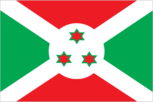
Geography
Climate
temperate; warm; occasional frost in uplands
Comparative area
about the size of Maryland
Environment
soil exhaustion; soil erosion; deforestation
Land boundaries
974 km total
Land use
43% arable land; 8% permanent crops; 35% meadows and pastures; 2% forest and woodland; 12% other; includes NEGL% irrigated
Special notes
landlocked; straddles crest of the Nile-Congo watershed
Terrain
mostly rolling to hilly highland; some plains
Total area
- 50 km Muyinga, cS itega Laka 4 Tanganyika _Bururi
- 27,830 km; land area: 25,650 km?
People and Society
Ethnic divisions
Africans—85% Hutu (Bantu), 14% Tutsi (Hamitic), 1% Twa (Pygmy); other Africans include around 70,000 refugees, mostly Rwandans and Zairians; non-Africans include about 3,000 Europeans and 2,000 South Asians
Infant mortality rate
121/1,000 (1983)
Labor force
about 1.9 million (1983); 93.0% agriculture, 4.0% government, 1.5% industry and commerce, 1.5% services
Language
Kirundi and French (official); Swahili (along Lake Tanganyika and in the Bujumbura area)
Life expectancy
42.3
Literacy
25%
Organized labor
sole group is the Union of Burundi Workers (UTB); by charter, membership is extended to all Burundi workers (informally), figures denoting active membership unobtainable
Population
5,005,504 (July 1987), average annual growth rate 2.92% Nationality; noun—Burundian(s); adjective—Burundi
Religion
abont 67% Christian (62% Roman Catholic, 5% Protestant), 32% indigenous beliefs, 1% Muslim
Government
Administrative divisions
15 provinces, subdivided into arrondissements and communes according to a 1982 redistricting
Branches
executive (President and Cabinet); judicial; legislature (National Assembly) reestablished in 1982
Communists
no Communist party
Elections
new constitution approved by national referendum in November 1981; election to National Assembly held in October 1982 Political parties and leaders: National Party of Unity and Progress (UPRONA), a Tutsi-led party, declared sole legitimate party in 1966; second national party congress held in 1984; Col. Jean-Baptiste Bagaza confirmed as party president for five-year term
Government leader
Col. Jean-Baptiste BAGAZA, President and Head of State (since 1976)
Legal system
based on German and French civil codes and customary law; has not accepted compulsory ICJ jurisdiction
Member of
AfDB, EAMA, ECA, FAO, G-77, GATT, IBRD, ICAO, ICO, IDA, IFAD, IFC, ILO, IMF, INTERPOL, ITU, NAM, OAU, UN, UNE SCO, UPU, WHO, WIPO, WMO, WTO
National holiday
Independence Day, 1 July
Official name
Republic of Burundi
Suffrage
universal adult
Type
republic Capital; Bujumbura
Economy
Agriculture
major cash crops—coffee, cotton, tea; main food crops—manioc, yams, peas, corn, sorghum, bananas, haricot beans
Budget
revenues, $121.4 million; expenditures, $146.4 million (1983)
Electric power
34,000 kW capacity; 44 million kWh produced, 9 kWh per capita (1986)
Exports
$83.5 million (1984); coffee (87%), tea, cotton, hides and skins
Fiscal year
calendar year
GDP
$963 million (1984 est.), $217 per capita (1985); 3% real growth rate (1983)
Imports
$158 million (1984); textiles, foodstuffs, transport equipment, petroleum products
Major industries
light consumer goods such as blankets, shoes, soap; assembly of imports; public works construction; food processing
Major trade partners
US, EC countries
Monetary conversion rate
121.7 Burundi francs=US$ 1 (November 1986)
Natural resources
nickel, uranium, rare earth oxide, peat, cobalt, copper, platinum (not yet exploited)
Communications
Airfields
8 total, 7 usable; 1 with permanent-surface runways; 1 with runways 2,440-3,659 m
Civil air
1 major transport aircraft
Highways
5,900 km total; 400 km paved, 2,500 km gravel or laterite, 3,000 km improved or unimproved earth
Inland waterways
Lake Tanganyika; 1 lake port, at Bujumbura, connects to transportation systems of Zaire and Tanzania
Railroads
none
Telecommunications
sparse system of wire and low-capacity radio-relay links; about 6,000 telephones (0.1 per 100 popl.); 2 AM, 2 FM, and 1 TV stations; 1 Indian Ocean satellite ground station
Military and Security
Branches
Army (including naval and air units); paramilitary Gendarmerie
Military budget
for fiscal year ending 31 December 1986, $39.3 million; about 18% of central government budget
Military manpower
males 15-49, 1,108,000; 580,000 fit for military service; 56,000 reach military age (16) annually