1982 Edition
CIA World Factbook 1982 (Wikisource)
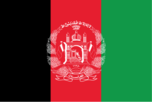
Geography
Area
647,500 km²; 22% arable (12% cultivated, 10% pasture), 75% desert, waste, or urban, 3% forested
Land boundaries
5,510 km
People and Society
Ethnic divisions
50% Pashtuns, 25% Tajiks, 9% Uzbeks, 9% Hazaras; minor ethnic groups include Chahar Aimaks, Turkmen, Baluchi, and others
Labor force
4.98 million (1980 est.); 67.8% agriculture and animal husbandry, 10.2% industry, 6.3% construction, 5.0% commerce, 7.7% services and other
Language
50% Pashtu, 35% Afghan Persian (Dari), 11% Turkic languages (primarily Uzbek and Turkmen), 10% thirty minor languages (primarily Baluchi and Pashai); much bilingualism
Literacy
10%
Nationality
noun—Afghan(s); adjective—Afghan
Organized labor
government-controlled unions are being established
Population
15,328,000 (July 1982), average annual growth rate 1.4%; this estimate includes an adjustment for net emigration to Pakistan during recent years, but it does not take into account other demographic consequences of the Soviet intervention in Afghanistan
Religion
87% Sunni Muslim, 12% Shia Muslim, 1% other
Government
Branches
Revolutionary Council acts as legislature and final court of appeal; President of Council acts as chief of state; Cabinet and judiciary responsible to Council; Presidium chosen by Council has full authority when Council not in session; Loya Jirga (Grand Assembly) supposed to convene eventually and approve permanent constitution
Capital
Kābul
Communists
the PDPA reportedly claims 50,000 members; the Parcham faction of the PDPA was installed on 27 December 1979; members of the deposed Khalqi faction continue to hold some important posts; the Sholaye-Jaweid is a much smaller pro-Beijing group
Government leaders
President of the Revolutionary Council and head of the People's Democratic Party of Afghanistan Babrak KARMAL; Prime Minister Soltan Ali KESHTMAND
Legal system
not established; legal education at University of Kābul; has not accepted compulsory ICJ jurisdiction
Member of
ADB, Colombo Plan, FAO, G-77, IAEA, IBRD, ICAO, IDA, IFAD, IFC, ILO, IMF, ITU, NAM, UN, UNESCO, UPU, WHO, WMO, WTO, WSG; suspended from ISCON in January 1980
Official name
Democratic Republic of Afghanistan
Other political or pressure groups
the military and other branches of internal security are being rebuilt by the Soviets; insurgency continues throughout the country; widespread opposition on religious grounds and anti-Soviet sentiment
Political subdivisions
29 provinces with centrally appointed governors
Suffrage
universal from age 18 Political parties and leaders: The People's Democratic Party of Afghanistan (PDPA) is the sole legal political party
Type
Communist regime backed by multidivisional Soviet force
Economy
Agriculture
subsistence farming and animal husbandry; main crops—wheat, cotton, fruits
Budget
current expenditure Afl6.7 billion, capital expenditure Afl1.7 billion for FY79 (est.)
Electric power
360,000 kW capacity (1980); 756 million kWh produced (1980), 50 kWh per capita
Exports
$670.2 million (f.o.b., 1980); mostly fruits and nuts, natural gas, and carpets
Fiscal year
21 March-20 March
GNP
$2.8 billion (FY79), $225 per capita; real growth rate 2.5% (1975-79)
Imports
$438.4 million (commercial, c.i.f., 1980); mostly food supplies and petroleum products
Major industries
carpets and textiles
Major trade partners
exports—mostly USSR and other Eastern bloc countries; imports—mostly USSR and other Eastern bloc countries
Monetary conversion rate
44.85 Afghanis=US$1 (official, end 1980)
Communications
Airfields
37 total, 36 usable; 10 with permanent-surface runways; 8 with runways 2,440-3,659 m, 12 with runways 1,220-2,439 m
Civil air
6 major transport aircraft
Inland waterways
total navigability 1,070 km; steamers up to about 500 metric tons use sections of Amu Darya
Ports
3 minor river ports; largest Sher Khan
Railroads
9.6 km (single track) 1.524-meter gauge, government-owned spur of Soviet line Highways: 21,000 km total (1981); 3,000 km paved, 2,100 km gravel, 8,900 km improved earth, and 7,000 km unimproved earth
Telecommunications
limited telephone, telegraph, and radiobroadcast services; television introduced in 1980; telephones (0.2 per 100 popl.); 5 AM and no FM stations, 1 TV station, 1 earth satellite station
Military and Security
Military budget
estimated expenditures for fiscal year ending 31 March 1979, about $63.8 million; approximately 12% of central government budget
Military manpower
males 15-49, about 3,602,000; 1,998,000 fit for military service; about 146,000 reach military age (22) annually
Supply
dependent on foreign sources, almost exclusively the USSR